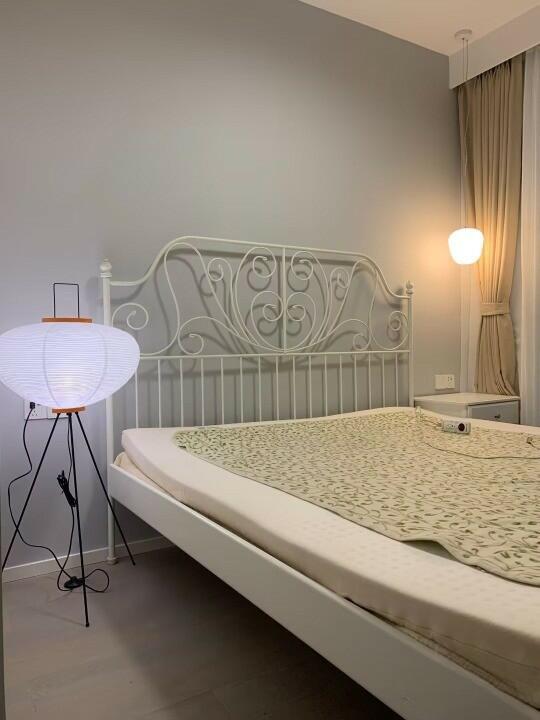
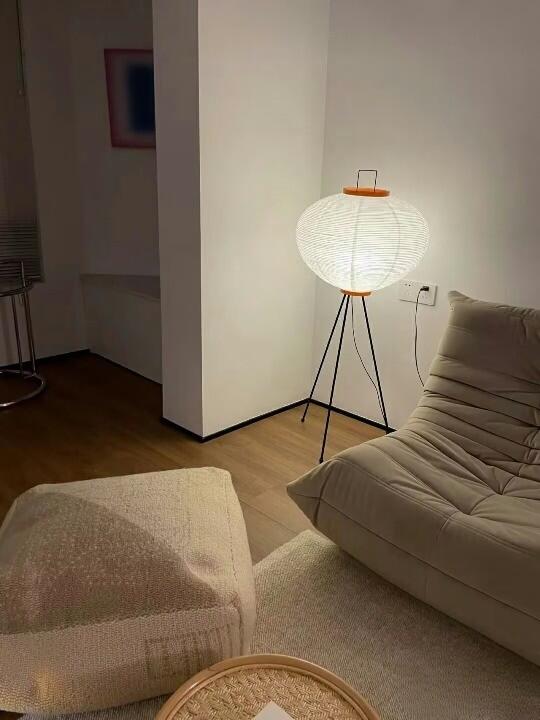
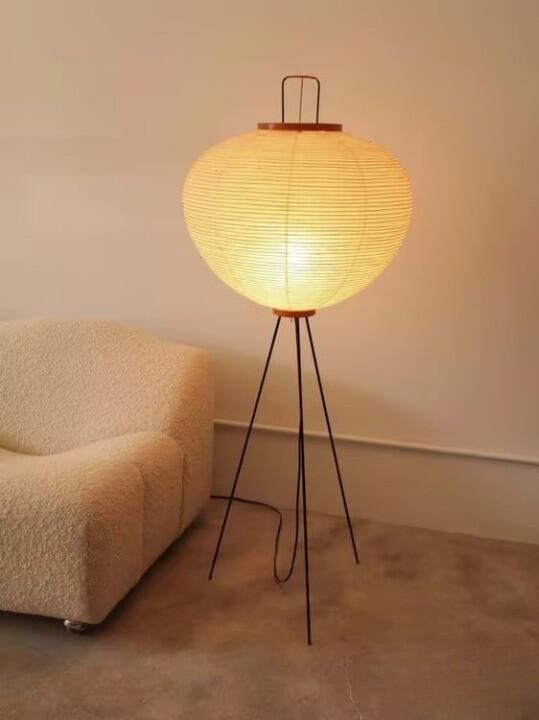
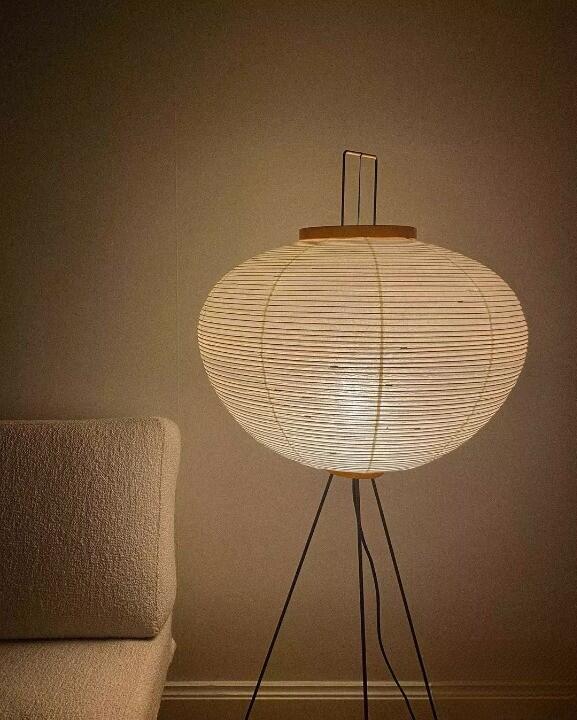
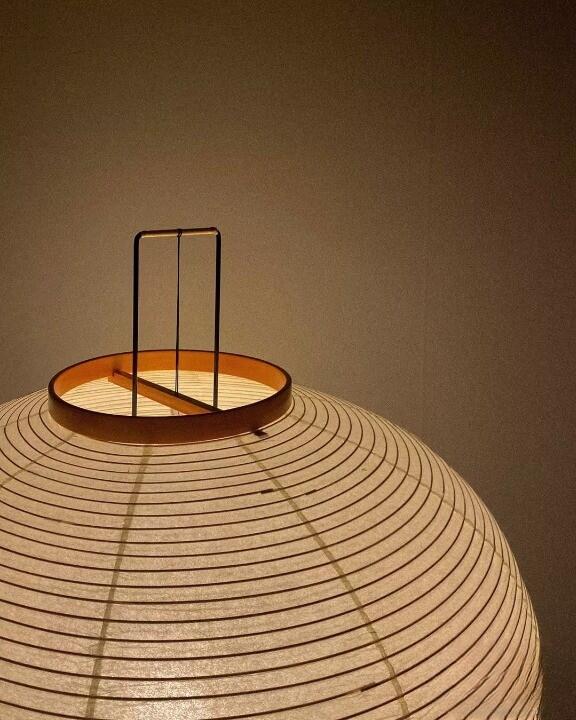
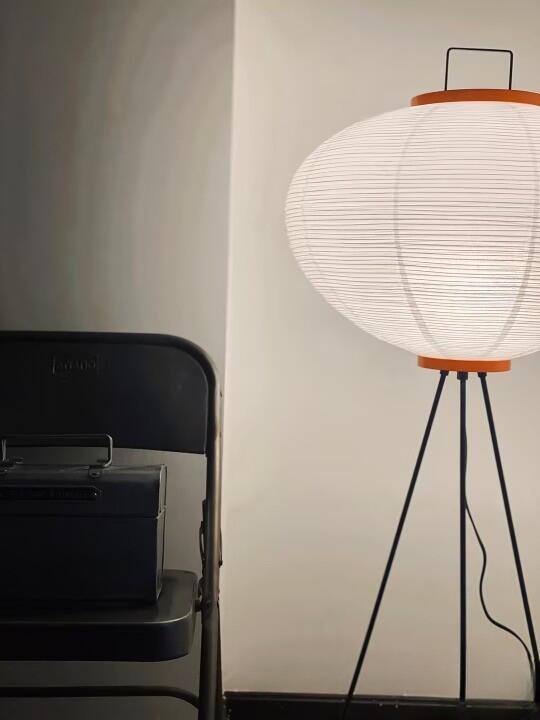
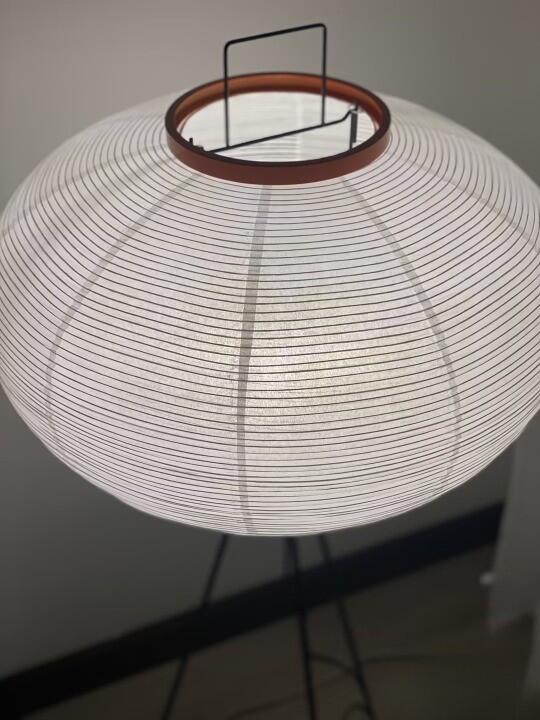
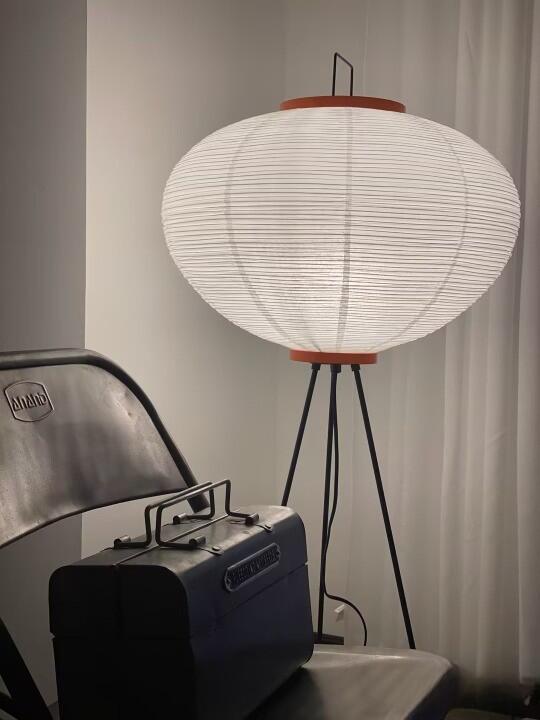
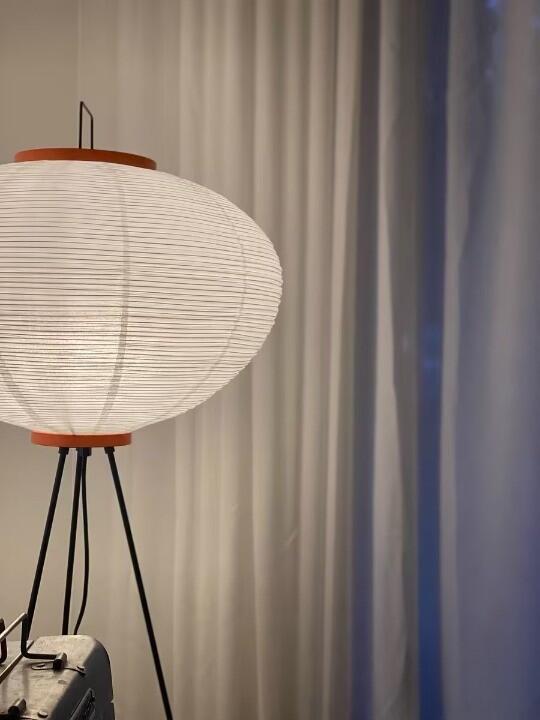
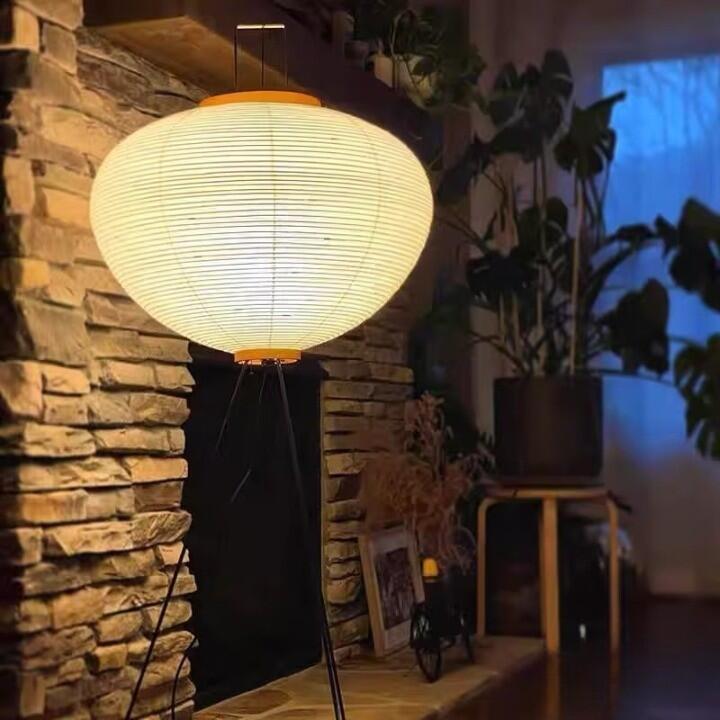
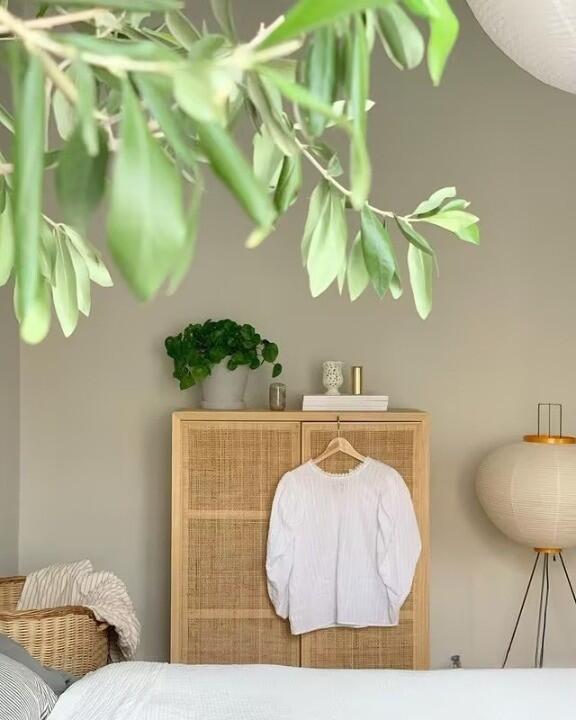
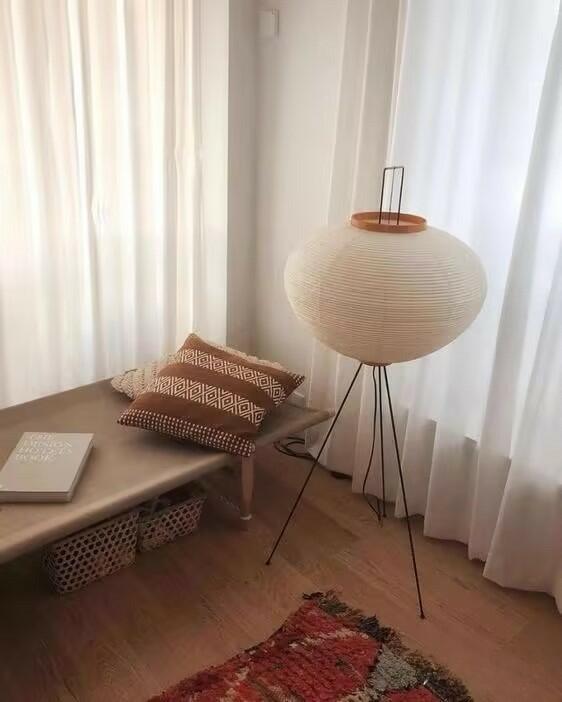
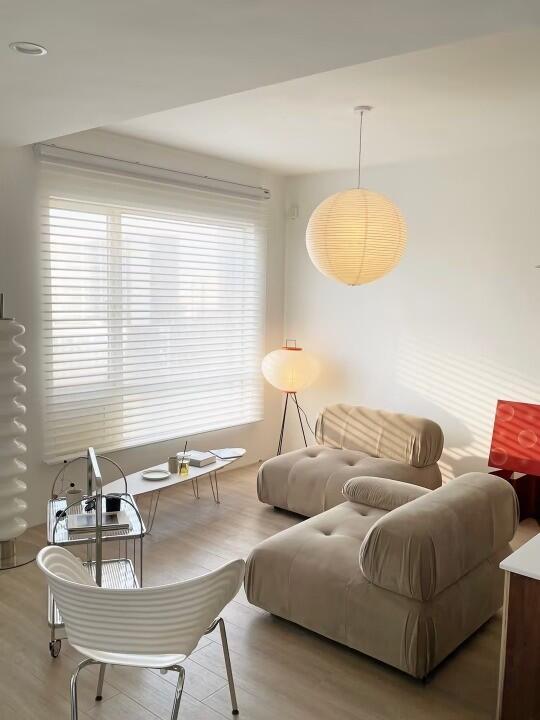
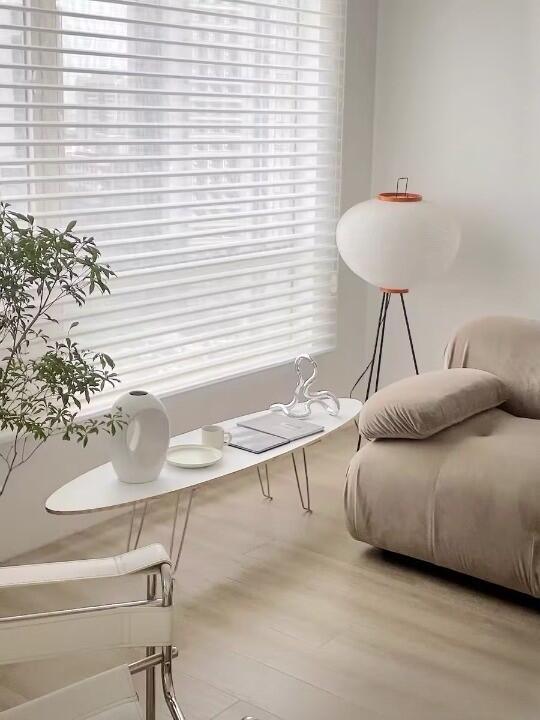
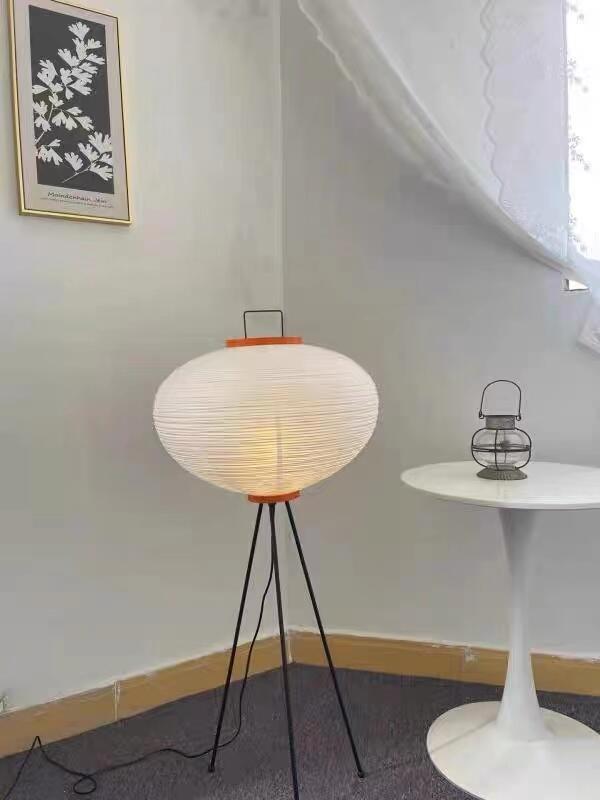
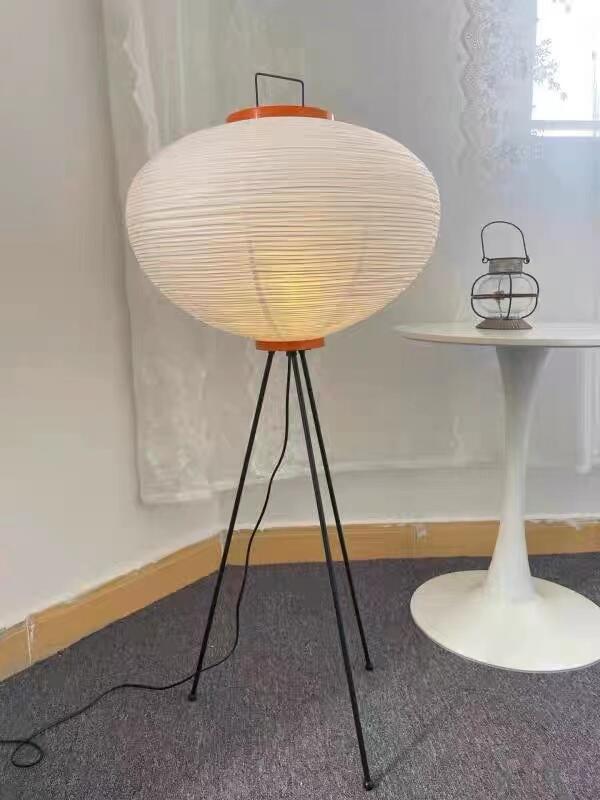
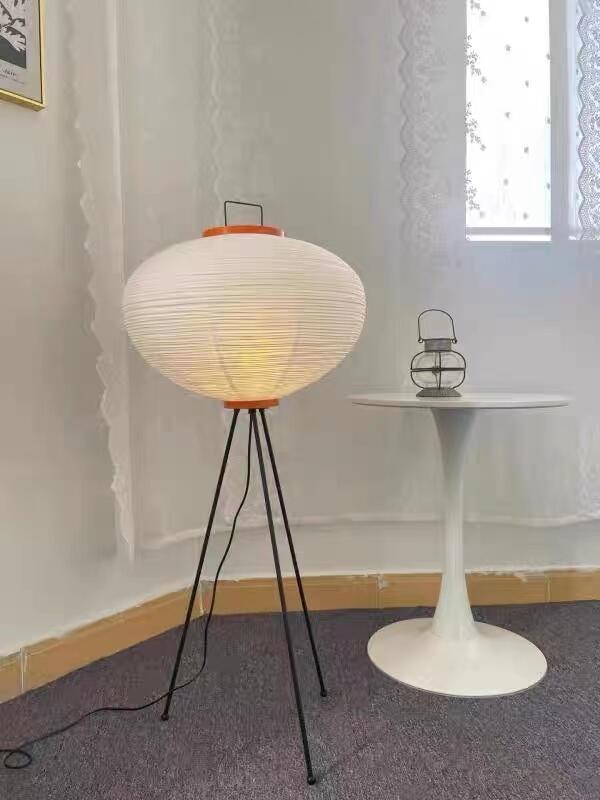
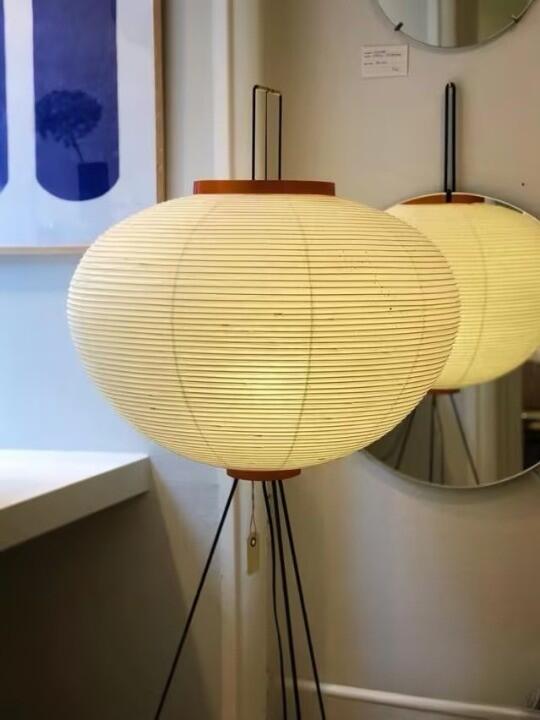
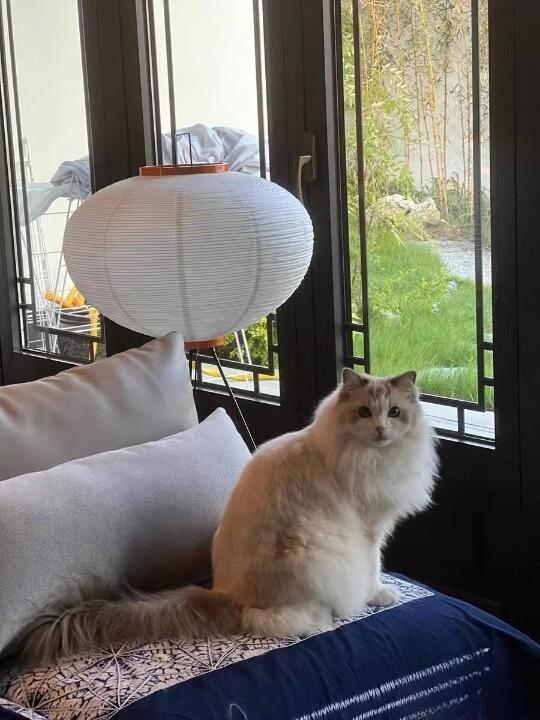
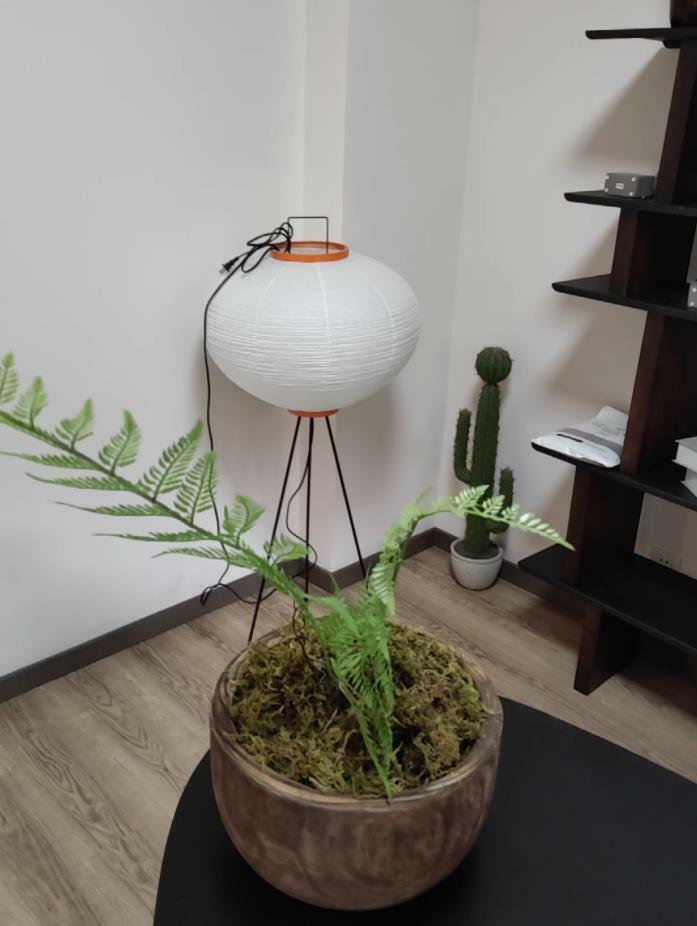
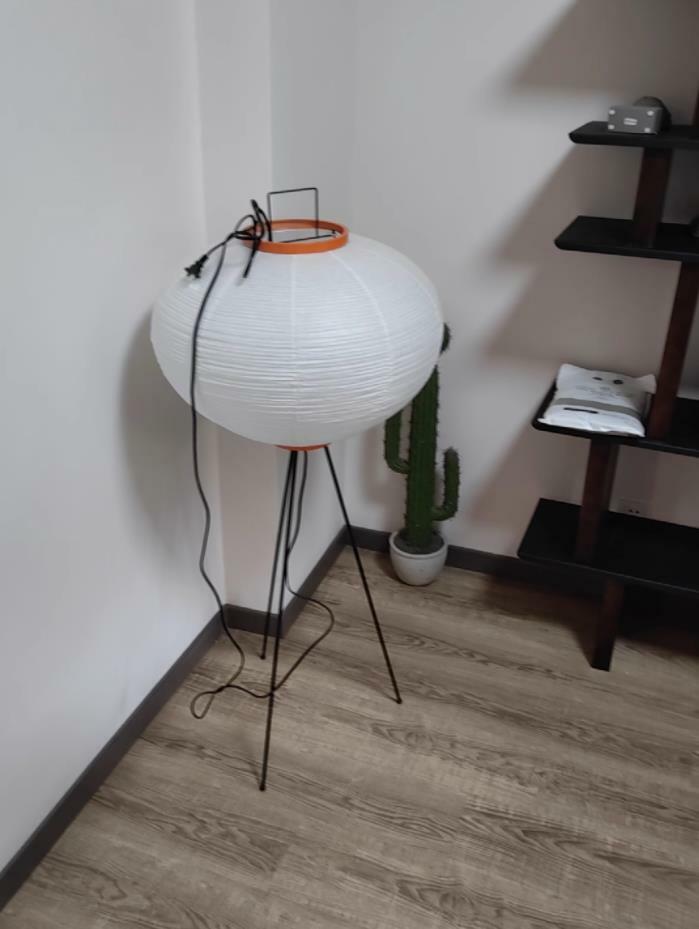
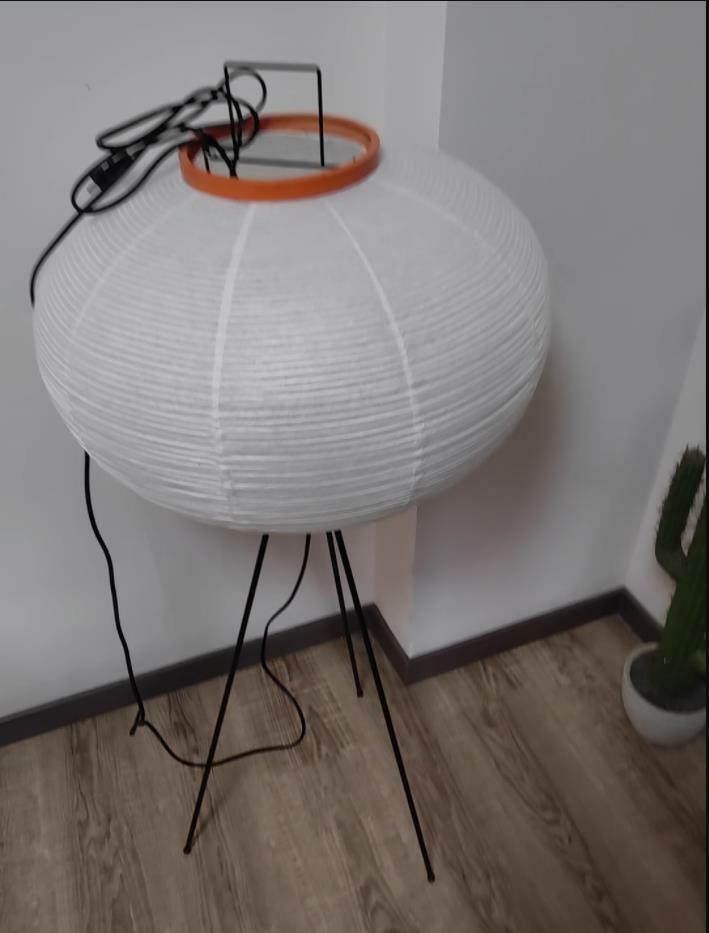
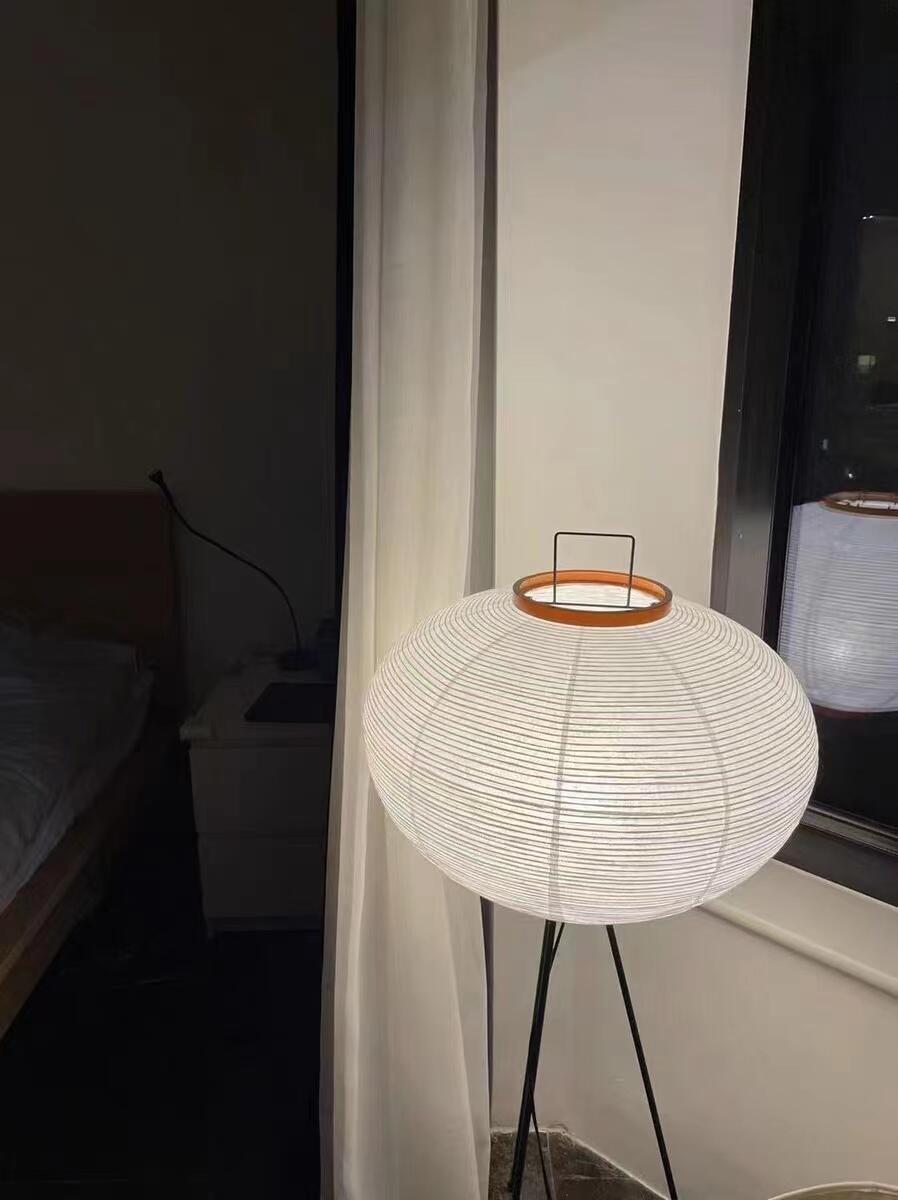
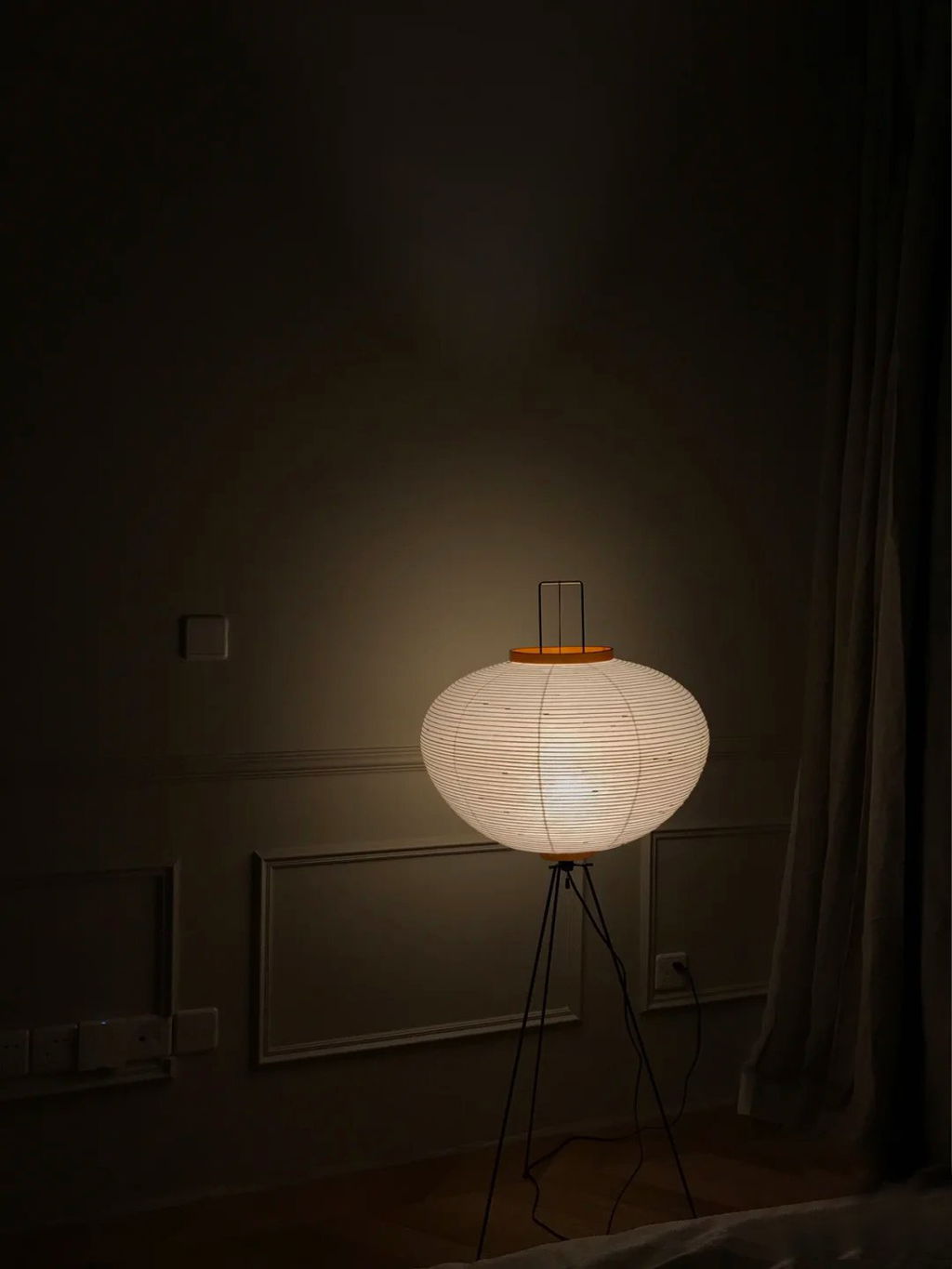
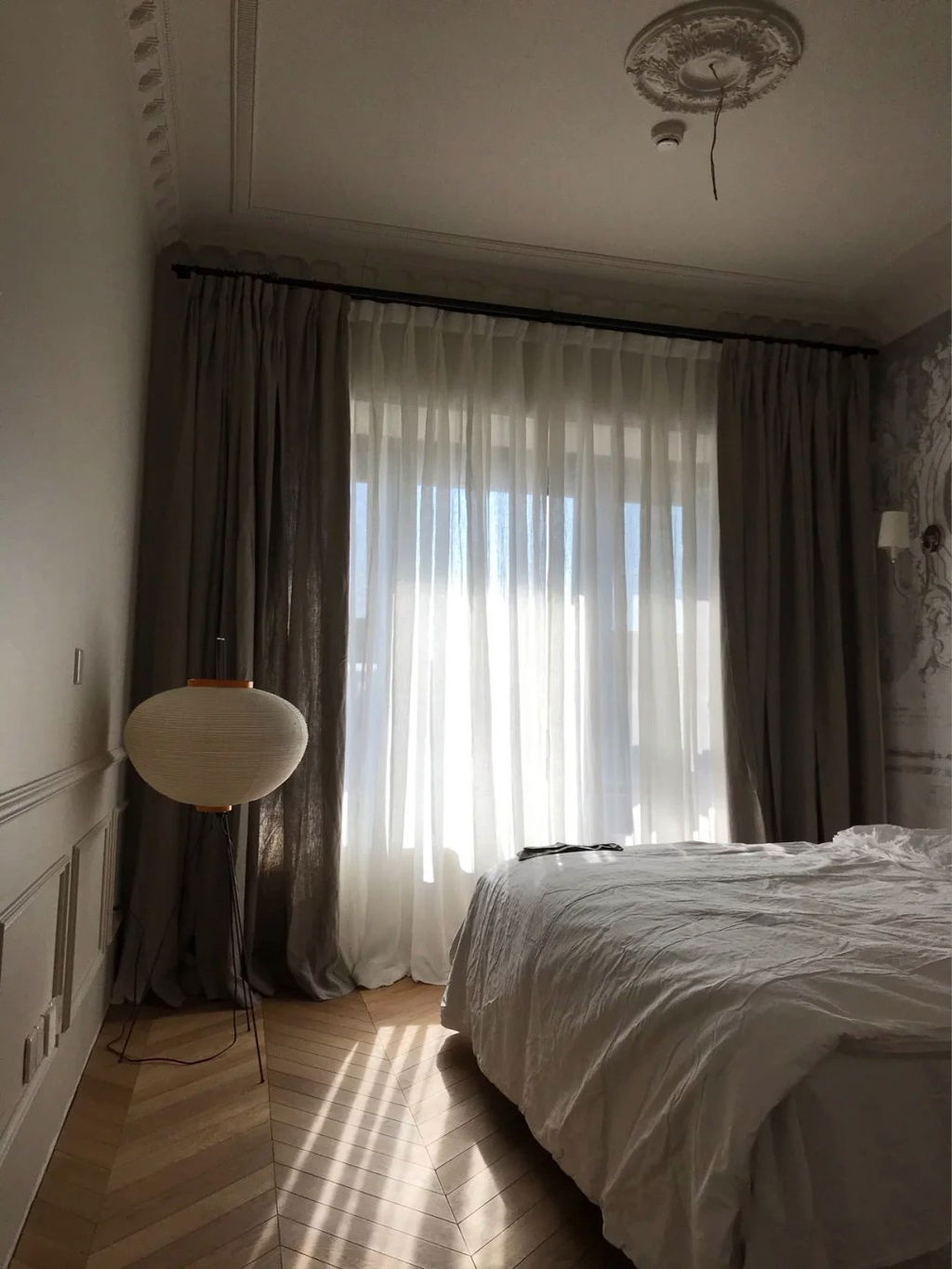
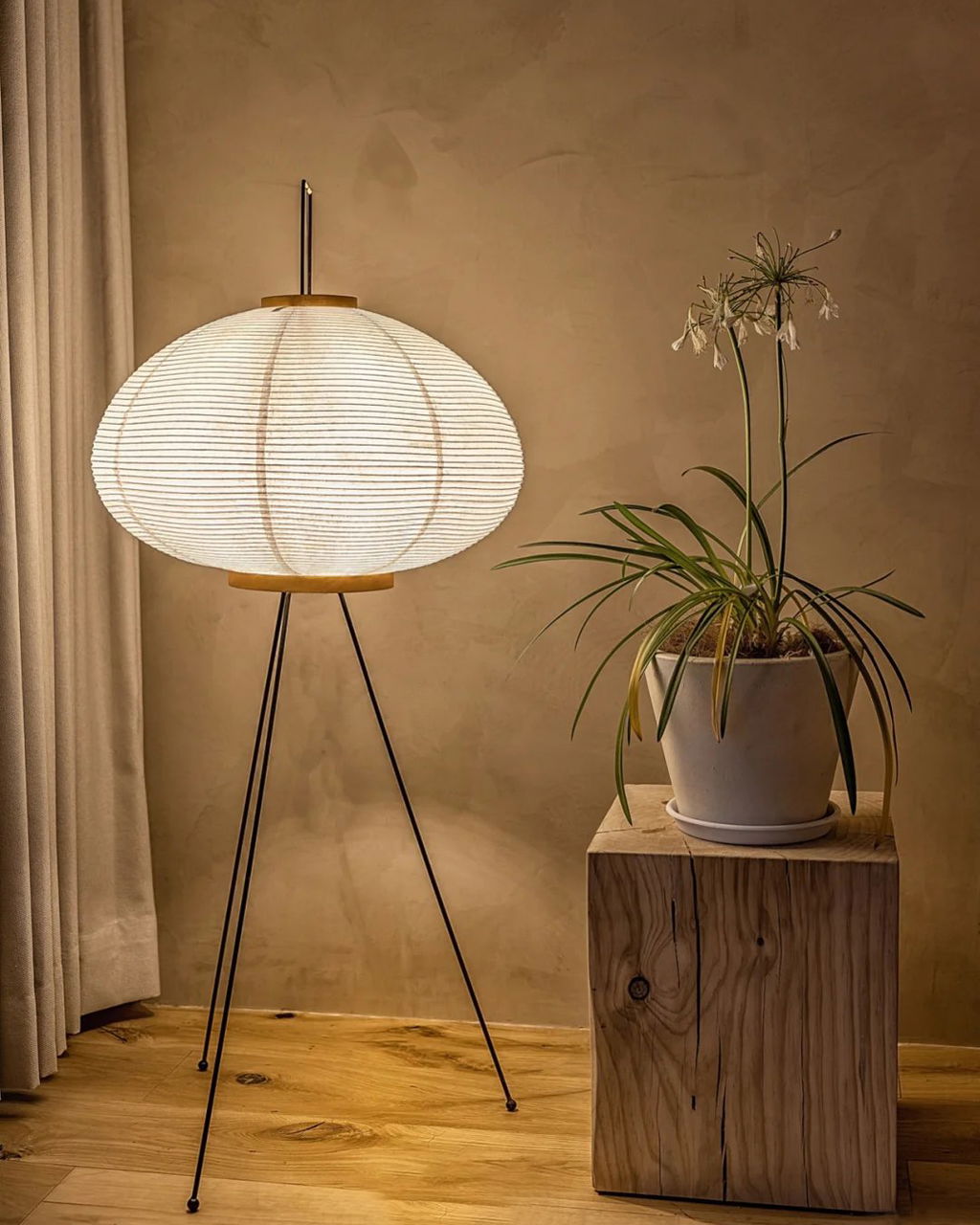
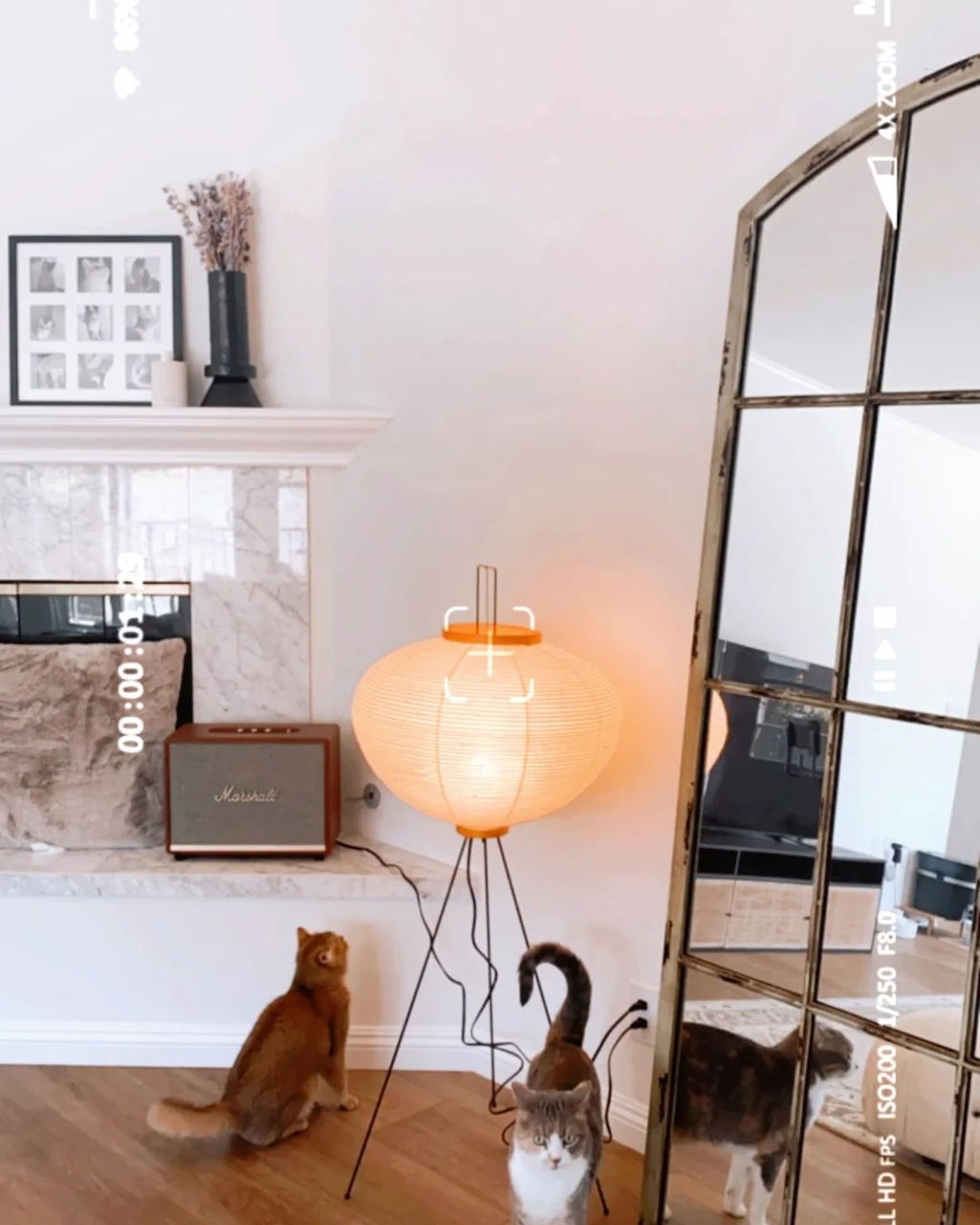
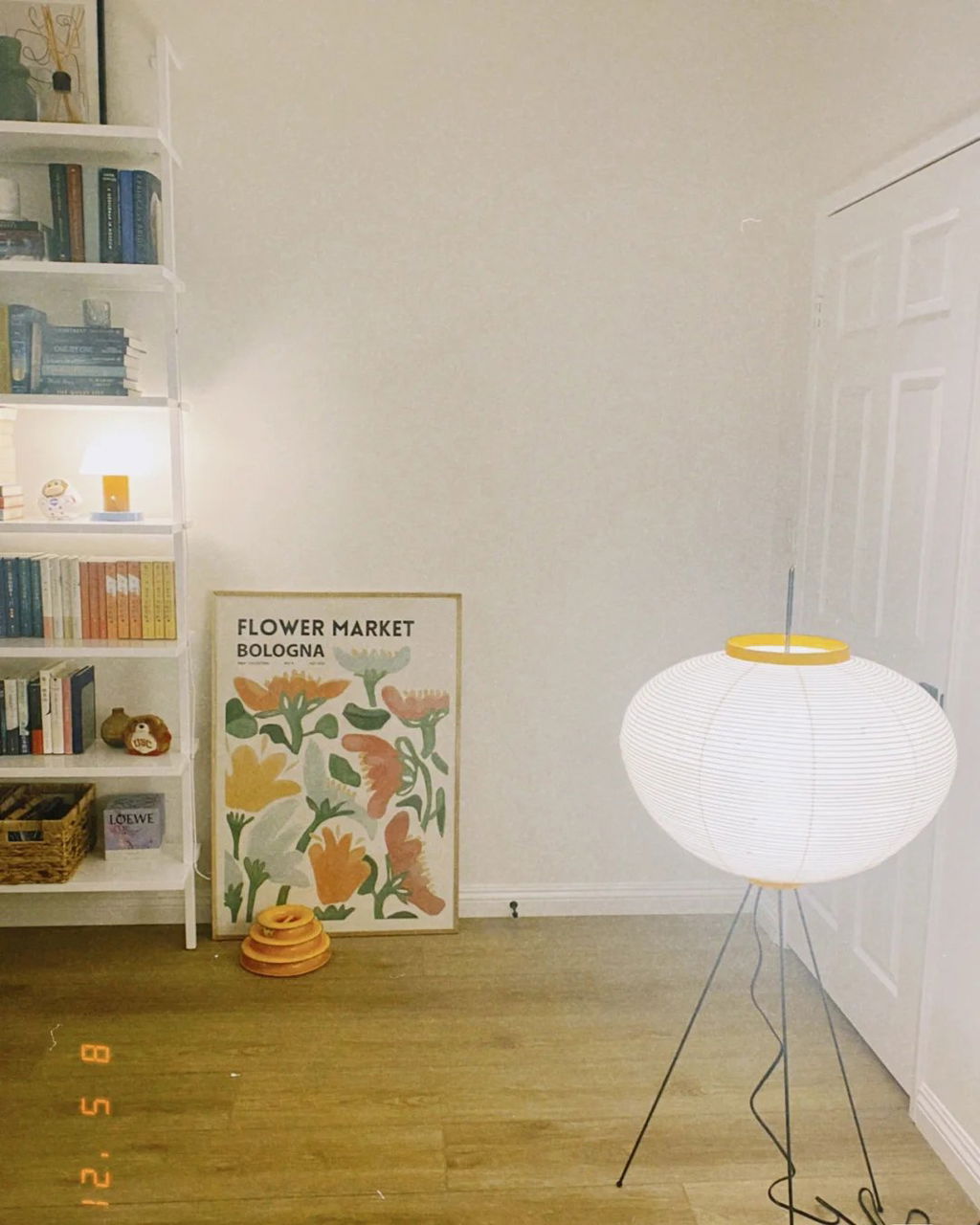
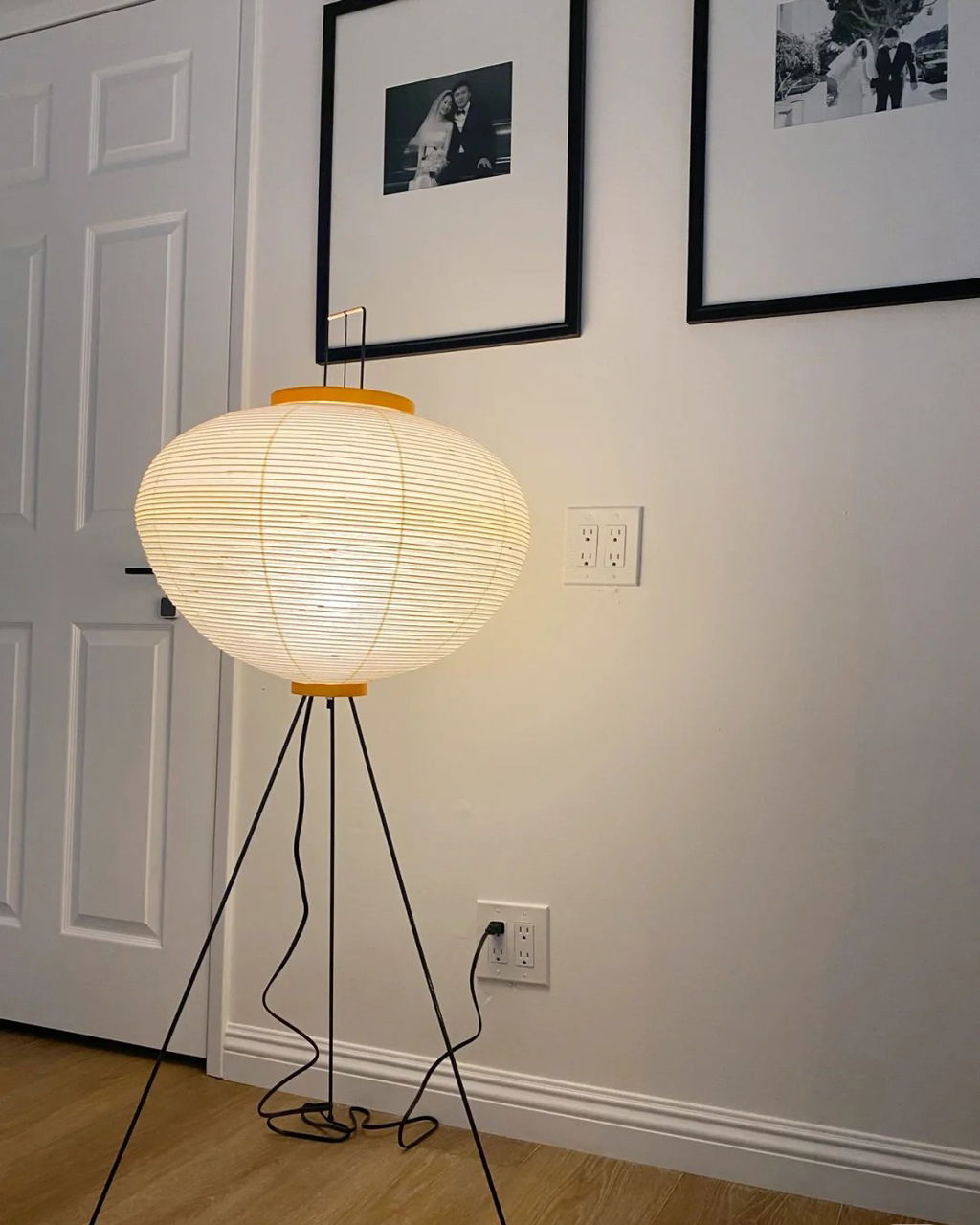
Lampada da terra in carta di riso
Rice Paper Floor Lamp - Vakkerlight
Lampada da terra in carta di riso
Rice Paper Floor Lamp - Vakkerlight
Lampada da terra in carta di riso
Rice Paper Floor Lamp - Vakkerlight
Lampada da terra in carta di riso
Rice Paper Floor Lamp - Vakkerlight
Lampada da terra in carta di riso
Rice Paper Floor Lamp - Vakkerlight
Lampada da terra in carta di riso
Rice Paper Floor Lamp - Vakkerlight

Lampada da terra in carta di riso

V202006191101-1

Prezzo di listino $600.00 Prezzo scontato$279.00 Salva 54%
/
Spedizione calcolata alla cassa.


  • Standard Shipping to the United States
  • Warranty Coverage Available
  • 60-Day Return and Exchange Policy
  • Customer Support by Email & Phone
  • Personalized Customization Available
  • Available in Region-Specific Electrical Options

  • In magazzino, pronto per la spedizione
  • In arretrato, spedizione a breve

L'ispirazione per il design delle sue luci nasce da una visita al villaggio di pescatori giapponese di Gifu, dove Noguchi osservava i pescatori al lavoro. Non usano solo cormorani addestrati per la caccia, ma anche lanterne per attirare i pesci. Queste lanterne avevano nervature di bambù, che erano ricoperte di carta fine.

Ha preso il design di queste lanterne tradizionali per l'occasione per creare da solo sculture di luce in legno e carta. Per la lampada da terra Akari, il designer utilizza la carta del gelso, perché ammorbidisce la luce, la rende delicata e la diffonde uniformemente.

Se hai domande sui nostri prodotti, ti preghiamo di contattarci e ti risponderemo entro 24 ore.

La stessa serie di prodotti, clicca sull'immagine per saperne di più >>>


Prodotto

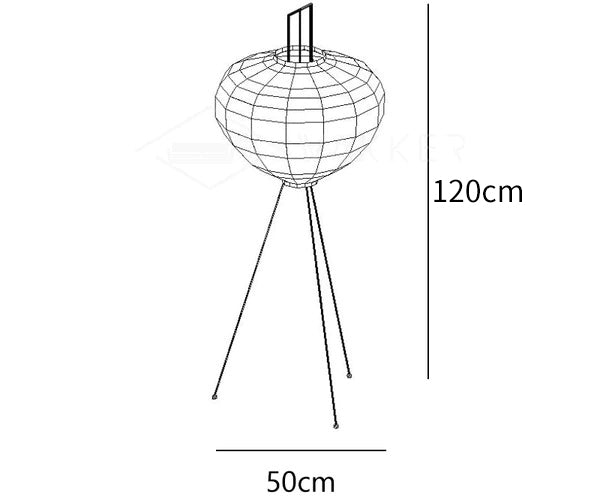
Aggiungi 10A sDimensioni: diametro 50 cm x H 125 cm / ∅ 19,7″ x H 49,2″

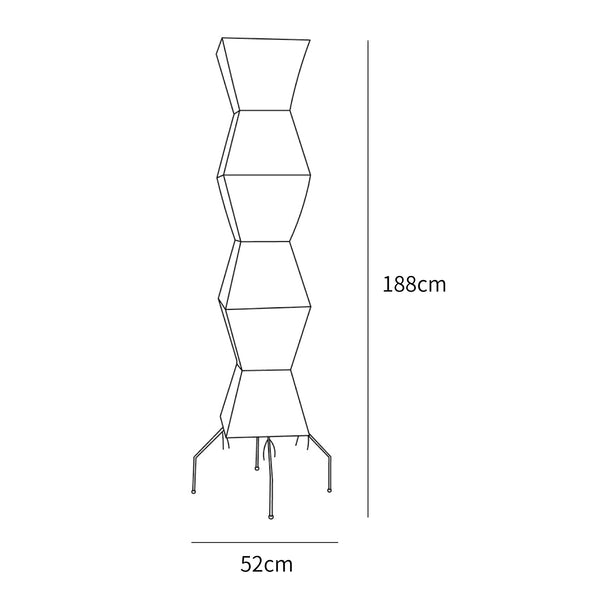
Aggiunta 14A SDimensioni: Diametro 33 cm x H 162cm / ∅ 13″ x H 63,7″

Particolari

Materiale: carta di gelso, metallo, ferro

Sorgente luminosa: lampadina LED o lampadina Edison

Tipo di base della sorgente luminosa: E27 o E26 (come mostrato di seguito)  


Potenza: massimo 60 W

Tensione: CA 110-240 V

Montaggio: pavimento

Ambiente: interno

Peso: 4 kg / 8,8 libbre

Batteria: no

Driver richiesto: no

Finiture: Bianco

Processo: Lucidatura, Lacca

Metodo di controllo: interruttore a pulsante (non dimmerabile)

D: Supporta l'oscuramento?

A: Il fatto che supporti l'oscuramento dipende dal tipo di lampadina che acquisti. Se acquisti una lampadina dimmer, questa lampada otterrà una funzione di oscuramento.
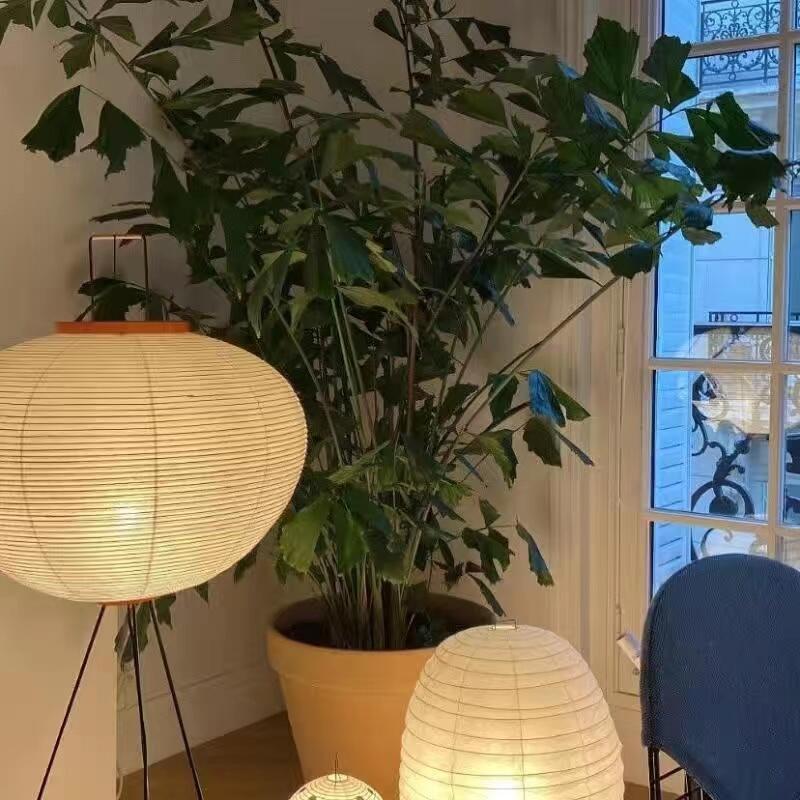
Forniamo cavi da 200 cm / 78,7 "con interruttori a spina, che possono essere allungati secondo necessità.

Dimensioni dell'imballaggio:

Supplemento 10A: L 56 cm x W 56centimetro x H 14centimetro

Aggiunta 14A: L 63 cm x W 53centimetro x H 38centimetro

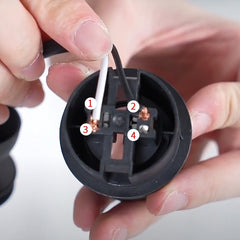
Istruzioni per l'installazione

Air Table Lamp

Specifiche

    If it is a product quality problem or transportation damage, we will provide free return and exchange services, ensuring a hassle-free experience for our customers.

    Vakkerlight offers an innovative 3D Lighting Design Service that brings a new level of customization to your lighting experience. Whether you're designing for a home, office, or commercial space, this service allows you to visualize and tailor lighting fixtures to your specific needs in a realistic 3D environment. With this service, Vakkerlight provides:

    1. Personalized Lighting Solutions: You can work with their design team to create custom lighting arrangements that suit the exact dimensions and style of your space.
    2. Detailed Visualization: The 3D service enables you to see how different lighting options will look in your room, giving you confidence in your selections before installation.
    3. Enhanced Customer Support: Vakkerlight’s design experts guide you through the process, offering suggestions and solutions based on your preferences and space requirements.

    This service helps take the guesswork out of lighting design, ensuring that you select the perfect lighting fixtures for your home or business.

    For more information, you can visit the official Vakkerlight 3D Lighting Design Service page.

    For access to 3D Max files or detailed product parameters, kindly reach out to our support team at info@Vakkerlight.com. They will be more than happy to assist you.

    PRODUCT CUT SHEET

    How to Calculate the Right Size Light Fixture for a Room

    When selecting a light fixture, you need to ensure it's appropriately scaled to the room size. The wrong size can affect both aesthetics and functionality. Here are the professional guidelines to help determine the correct light fixture size:

    Vakkerlight · Buying Guide

    Lighting Size &
    Installation Guide

    Choosing the right fixture is as much about proportion as it is about light. This guide walks you through professional sizing formulas, room-specific rules, ceiling height considerations, and our curated product picks for every space.

    📖 10 min read Updated April 2025 All Fixture Types

    Lighting is not only functional — it's a key design element in every room. The wrong size fixture can make a grand room feel claustrophobic, or a small room feel busy. Getting the scale right is one of the most impactful decisions you'll make when designing a space.

    This guide gives you the professional formulas used by interior designers, with room-specific rules for chandeliers, pendants, flush mounts, sconces, and more.


    Section 01

    How to Calculate the Right Size Light Fixture

    Three professional formulas cover almost every fixture decision. Apply them in order — diameter first, then fixture height, then hanging height.

    1 — Fixture Diameter

    The most universally used formula for ceiling fixtures. Works for chandeliers, pendants, flush mounts, and semi-flush mounts.

    Measure the length and width of the room in feet.
    Add the two numbers together.
    Convert the total to inches — this is your ideal fixture diameter.
    📐 Example: A room that is 12 ft wide × 14 ft long → 12 + 14 = 26 → a fixture with a 26-inch diameter is ideal.

    2 — Fixture Height

    Height matters as much as diameter. A fixture that's too short for its room looks stubby; too tall and it overwhelms the space.

    Formula
    × 2.5–3″
    Multiply ceiling height (in feet) by 2.5 to 3 inches. The result is the ideal fixture height.
    Example
    25–30″
    10-foot ceiling → 10 × 2.5–3 = 25–30 inches. That's how tall your chandelier or pendant should be.

    3 — Hanging Height Above a Surface

    For fixtures hung above dining tables, kitchen islands, or countertops, hanging height determines both function and visual balance.

    Over Dining Table
    32–36″
    Bottom of fixture to table surface. Low enough to illuminate, high enough to see across the table.
    Over Kitchen Island
    32–36″
    From pendant base to countertop. Consistent with dining tables, optimised for task lighting.

    4 — Multiple Pendants

    When hanging multiple pendants over a long surface, size each fixture relative to the surface below.

    Rule: Each pendant should be approximately ¼ the length of the surface below it. Space them evenly from end to end, leaving at least 6 inches clearance at each end.
    Table / Island Surface 32–36″ Equal spacing Pendant 1 Pendant 2 Pendant 3 Ceiling
    Three pendants spaced evenly over a dining table or island — each pendant ¼ the length of the surface, hung 32–36 inches above the countertop.

    Section 02

    Ceiling Height Considerations

    Ceiling height shapes every fixture decision — from what type of fixture you choose to how long the cord should be. Here are the three key categories.

    Low Ceilings ≤ 8 ft
    Flush Mount
    Choose fixtures that sit close to the ceiling. Flush or semi-flush mounts maximise headroom while providing full ambient coverage. Avoid pendants with long cords.
    Standard Ceilings 9–10 ft
    Chandeliers & Pendants Ideal
    The sweet spot for most fixtures. Chandeliers and pendants thrive here. Bottom of fixture should clear 7 feet from the floor.
    High Ceilings 10 ft +
    Go Dramatic
    High ceilings demand larger fixtures. Use the height to your advantage — oversized chandeliers, long-drop pendants, or clusters of 3+ draw the eye upward beautifully.
    📏 Universal Rule: Allow 2.5–3 inches of fixture height for every foot of ceiling height. This keeps the fixture visually balanced regardless of room size.
    Ceiling Height Fixture Type Minimum Floor Clearance Notes
    8 ft Low Flush / Semi-flush 7 ft Use shorter cords; avoid bulky downlights
    9–10 ft Standard Pendant / Chandelier 7 ft Most fixtures designed for this range
    10–12 ft Larger chandeliers 7.5 ft Extend cord; choose taller shades
    12 ft + Oversized / Cluster 8 ft Consider multi-light clusters or grand chandeliers
    Vaulted / Sloped Any (check canopy) 7 ft min All Vakkerlight pendants include sloped-ceiling canopies

    Section 03

    Room-by-Room Sizing Guide

    Every room has a different lighting logic. Use the tabs below to find sizing rules, fixture recommendations, and installation tips for your space.

    Living Room

    The living room is often the largest and most complex space to light. It benefits from layered lighting — ambient overhead, task lamps, and accent sconces working together.

    📐 Fixture Diameter: Room Length (ft) + Room Width (ft) = Diameter in inches. Ensure at least 7 feet of clearance from the fixture bottom to the floor.
    Room Size Recommended Diameter Floor Clearance
    Under 150 sq ft 14–22″ Min 7 ft
    150–250 sq ft 22–28″ Min 7 ft
    250–400 sq ft 28–36″ Min 7.5 ft
    400+ sq ft / Open plan 36–48″ or cluster Min 8 ft
    💡
    Layer your light: Pair a statement chandelier or pendant with floor lamps beside sofas and table lamps on side tables. Ensure floor lamps are proportionate to the furniture they accompany.

    Dining Room

    The dining chandelier is the room's focal point. It should complement the table size without overwhelming the chairs or the diners.

    📐 Key Rule: Fixture diameter should be ½ to ⅔ the width of the dining table. Hang 32–36 inches above the table surface.
    Table Size Single Fixture Two Fixtures (each)
    36″ round / 4-seat 16–22″ 10–14″
    48–60″ rectangular / 6-seat 22–28″ 14–18″
    72–84″ rectangular / 8-seat 28–36″ or two 18–24″
    96″+ farmhouse table Use 2–3 pendants 20–28″
    Multiple pendants over long tables: For rectangular tables over 72 inches, two or three smaller pendants spaced evenly create a balanced rhythm without one oversized fixture dominating the space.

    Kitchen

    Kitchen lighting is about task efficiency first, then aesthetics. Islands and peninsulas need strong, focussed pendant lighting — supplement with recessed and under-cabinet lights for full coverage.

    📐 Key Rule: Each pendant = ¼ the length of the island. Hang 32–36 inches above the countertop. Space multiple pendants 24–30 inches apart (center to center).
    Island Length Pendants Each Diameter Hang Height
    Under 48″ 1 10–16″ 28–34″ above counter
    48–72″ 2 10–14″ each 28–34″
    72–96″ 2–3 10–16″ each 28–36″
    96″+ 3 or 1 linear 12–18″ / 48–72″ linear 30–36″
    🪵
    Under-cabinet lighting: Install LED strips or puck lights beneath upper cabinets to illuminate the countertop work zone — essential for food prep and appreciated every evening.

    Bedroom

    Bedrooms need warm, layered light. The central ceiling fixture provides ambient coverage; bedside lamps or sconces handle reading and task lighting.

    📐 Key Rule: Use the room dimension formula for the ceiling fixture. For bedside pendants, hang so the shade center sits at eye-level when seated in bed (typically 48–60 inches from the floor).
    Use Case Fixture Diameter Height / Placement
    Central ceiling pendant Room formula (length + width in inches) Min 7 ft from floor
    Bedside pendant (hanging) 8–14″ 48–60″ from floor
    Above-bed decorative pendant 16–24″ 72–84″ from floor
    Bedside table lamp See Bedside Sizing Table below Eye-level when seated

    Bathroom

    Bathroom lighting is about eliminating shadows, especially around the vanity. Side-mounted sconces outperform overhead vanity bars for facial task lighting.

    📐 Key Rule: Sconces should be mounted 65–70 inches from the floor, flanking the mirror. Space them 24 inches above the vanity for even, shadow-free light.
    Fixture Type Placement Notes
    Vanity Sconces 65–70″ from floor, either side of mirror Most flattering for facial lighting
    Overhead Vanity Bar 24″ above mirror top Use for smaller bathrooms without sconce space
    Ceiling Flush Mount Centred, room dimension formula Ambient layer; combine with vanity lighting
    Shower / Wet Zone IP-rated recessed lights only Must meet local electrical code requirements

    Entryway & Hallway

    The entry chandelier sets the tone for the entire home. This is one space where going bold rarely looks wrong — the vertical drop of a dramatic fixture is particularly effective in double-height entries.

    📐 Key Rule: Minimum 7 ft clearance from fixture bottom to floor. In two-storey entries, use the full vertical space — a long-drop pendant creates immediate architectural impact.
    Ceiling Height Fixture Diameter Drop / Cord Length
    8–9 ft 12–20″ Short — 18–24″
    10–12 ft 18–28″ Medium — 30–42″
    Double height 14–20 ft 24–40″ Long — 48–96″+
    🏠
    Hallways: Space recessed or flush mount lights evenly — every 8–10 feet — for consistent illumination. Wall sconces at intervals add warmth and eliminate the clinical look of recessed-only hallways.

    Home Office

    Office lighting should eliminate glare on screens while providing enough ambient light to prevent eye strain over long work sessions.

    📐 Key Rule: Use the room dimension formula for the ceiling fixture. Place a dedicated desk lamp for task lighting — never rely on the overhead fixture alone for close work.
    Fixture Type Use Notes
    Ceiling flush / semi-flush Ambient layer Diffuse shades reduce screen glare
    Desk lamp Task lighting Position to the left (right-handers) to avoid hand shadows
    Recessed / track lighting Larger offices Direct away from screens; aim at walls or work surfaces
    Floor lamp Ambient fill / reading corner Torchiere style bounces light off ceiling for soft fill

    Section 04

    Bedside Lamp Sizing

    A bedside lamp that's too tall throws light in your eyes; too short and the shade hides behind the pillows. These proportions apply to almost any table lamp style.

    Lamp Part Ideal Measurement
    Total height Equal to the height of the nightstand + 2–3 inches
    Shade height ½ to ⅔ of the total lamp height
    Shade width (widest) Twice as wide as the lamp base
    Base height ⅓ of the total lamp height
    Base width (widest) ½ of the shade width
    🛏
    Seated eye-level rule: When sitting up in bed, the bottom edge of the lampshade should be roughly at your eye level — typically 20–24 inches above the nightstand surface. This prevents both glare and under-lighting.

    Section 05

    Browse by Fixture Type

    Shop our full range of lighting by category — each collection is curated for a specific function, form, and room type.


    Section 07

    Frequently Asked Questions

    What size chandelier do I need for a 12 × 14 ft dining room?
    Using the room dimension formula: 12 + 14 = 26 inches — so a chandelier with a 26-inch diameter is ideal for the room. For the dining table specifically, the fixture should be 50–70% of the table width. Hang it 32–36 inches above the table surface.
    How low should a pendant hang over a kitchen island?
    The bottom of the pendant shade should sit 32–36 inches above the countertop. With a standard 36-inch counter height, that puts the shade bottom at 68–72 inches from the floor — high enough to not obstruct sightlines while cooking, low enough to cast effective task light.
    Can I use a chandelier in a room with an 8-foot ceiling?
    Yes, but carefully. Choose a compact chandelier (under 12 inches tall) with a short canopy and minimal cord. The bottom of the fixture must clear 7 feet from the floor. In dining rooms with 8-foot ceilings, a semi-flush chandelier or low-profile pendant is often more practical and visually balanced.
    How many pendants should I hang over a 6-foot kitchen island?
    For a 72-inch island, two pendants is ideal (each around 10–14 inches in diameter), centered at 18 and 54 inches from one end. Alternatively, one linear pendant spanning 48–60 inches provides even, elegant coverage without the spacing calculation.
    What is the best bulb colour temperature for home lighting?
    For living rooms, bedrooms, and dining rooms: 2700K–3000K (warm white). For kitchens and home offices where task accuracy matters: 3000K–3500K (neutral white). Avoid 5000K+ daylight bulbs in residential spaces — they create a cold, clinical atmosphere that works against most home interiors.
    Are Vakkerlight fixtures compatible with sloped ceilings?
    Yes. All Vakkerlight pendant and chandelier fixtures include a sloped-ceiling compatible swivel canopy that accommodates ceiling angles up to 45 degrees. For steeper slopes, contact our support team at info@vakkerlight.com or call +1 800-715-2593 and we'll advise on the best approach.


    Here’s a voltage reference chart for various countries. Feel free to contact us with any questions. Enjoy your shopping!

    Global Voltage Reference Guide — Vakkerlight
    Vakkerlight · Installation Support

    Global Voltage
    Reference Guide

    A practical reference for international voltage standards, frequency differences, and device compatibility — everything you need to safely install your Vakkerlight fixture anywhere in the world.

    📖 7 min read Updated April 2025 30+ Countries Covered

    When purchasing lighting fixtures for use across different countries, understanding the local voltage system is essential. Using a fixture or device with the wrong voltage can damage it instantly, trigger a circuit breaker, or in worst cases create a fire hazard. This guide gives you a clear, no-jargon reference so you can shop and install with confidence.

    All Vakkerlight fixtures are rated AC 110–240V, making them compatible with virtually every electrical system worldwide. This guide will help you understand your local system, verify device labels, and identify what accessories — if any — you may need.

    Section 01

    The Two World Voltage Systems

    Almost every country in the world uses one of two voltage standards. Understanding which system you're in is the single most important step before purchasing or installing any electrical fixture.

    System One
    120V
    60 Hz
    Countries
    United States
    Canada
    Mexico
    Parts of Central & South America
    Parts of Japan
    Plug Type A / B
    System Two
    230V
    50 Hz
    Countries
    UK · Germany · France · Italy
    Spain · Australia · India
    China · South Korea
    Most of Europe, Africa & Asia
    Plug Type C / E / F / G / I
    The core rule: North America (and a few others) runs on 120V / 60Hz. The rest of the world runs on 220–240V / 50Hz. These two systems require different wiring, different transformers, and in most cases different fixtures — unless the device is dual-voltage.

    North America — United States & Canada

    The US and Canada use a standardised 120V / 60Hz system throughout. Plugs are Type A (two flat parallel prongs, ungrounded) and Type B (two flat prongs plus a round grounding pin). Most household lighting circuits run at 15 or 20 amps.

    Voltage
    120V
    Standard household supply. Some appliances (ranges, dryers) use 240V, but lighting circuits are always 120V.
    Frequency
    60 Hz
    Consistent nationwide. LED drivers and electronic transformers work equally well on 50Hz or 60Hz.

    Europe — UK, Germany, France, Italy & Beyond

    Most of Europe uses a 220–240V / 50Hz system. However, plug types vary by country — Germany and most of continental Europe use Type F (Schuko), France uses Type E, and the UK uses the distinct three-pin Type G plug with built-in fuse.

    ⚠️
    Moving from the US to Europe? A plug adapter alone is not enough. Without a voltage converter, connecting a US 120V device to a European 230V socket will immediately damage it. Always verify the voltage rating on the device label first. If it reads "100–240V," you only need a plug adapter.
    Section 02

    Country-by-Country Reference

    The expanded table below covers the most common countries for Vakkerlight customers worldwide. Use it to instantly verify your local system before placing an order or installing a fixture.

    Country Voltage Frequency Plug Type(s) VKL Compatible
    North America & Pacific
    United States 120V 60Hz Type A, B ✓ Yes
    Canada 120V 60Hz Type A, B ✓ Yes
    Mexico 127V 60Hz Type A, B ✓ Yes
    Japan 100V 50/60Hz Type A, B Contact Us
    Australia 230V 50Hz Type I ✓ Yes
    New Zealand 230V 50Hz Type I ✓ Yes
    Europe
    United Kingdom 230V 50Hz Type G ✓ Yes
    Ireland 230V 50Hz Type G ✓ Yes
    Germany 230V 50Hz Type C, F ✓ Yes
    France 230V 50Hz Type C, E ✓ Yes
    Italy 230V 50Hz Type C, F, L ✓ Yes
    Spain 230V 50Hz Type C, F ✓ Yes
    Netherlands 230V 50Hz Type C, F ✓ Yes
    Sweden / Norway / Denmark 230V 50Hz Type C, F ✓ Yes
    Switzerland 230V 50Hz Type C, J ✓ Yes
    Portugal 230V 50Hz Type C, F ✓ Yes
    Asia & Middle East
    China 220V 50Hz Type A, C, I ✓ Yes
    South Korea 220V 60Hz Type C, F ✓ Yes
    India 230V 50Hz Type C, D, M ✓ Yes
    UAE / Saudi Arabia 220–240V 50Hz Type G (UAE), Type A/B/G (KSA) ✓ Yes
    Singapore 230V 50Hz Type G ✓ Yes
    Hong Kong 220V 50Hz Type G ✓ Yes
    🇯🇵
    Japan note: Japan runs on 100V, which falls just below the lower end of our 110–240V range. Most Vakkerlight LED fixtures will function, but we recommend confirming with our team before installation. Contact us at info@vakkerlight.com.
    Section 03

    How to Read Your Device Label

    Every electrical device has a label — usually on the back, underside, or power supply brick — that tells you exactly what voltage and frequency it accepts. Learning to read this label takes 30 seconds and can prevent permanent damage to your fixture.

    Label Example — Dual-Voltage (Safe Worldwide)

    Input 100–240V ~ 50/60Hz
    Output 12V DC 2A
    Wattage 24W Max
    Status ✓ Safe in any country — plug adapter only needed

    Label Example — North America Only (Caution)

    Input 120V ~ 60Hz only
    Output
    Wattage 60W Max
    Status ⚠ Requires step-up transformer outside North America

    Label Example — Europe Only (Caution for US buyers)

    Input 220–240V ~ 50Hz only
    Output
    Status ✗ Will not work in North America without step-down transformer
    🔍 The one thing to look for: If the input label reads "100–240V", the device is dual-voltage and works worldwide. If it reads a single voltage range (e.g. "120V only"), it requires a converter outside its home region.
    Section 04

    Dual-Voltage Devices & When You Need a Converter

    Modern electronics — including most LED drivers, smartphone chargers, and laptop power bricks — are designed to accept a wide voltage range. These dual-voltage devices make international travel and relocation far more convenient.

    Dual-Voltage Device
    100–240V
    Works in any country. Only requires a plug adapter to match the local socket shape. No transformer needed.
    North America Only
    120V Only
    Requires a step-up transformer when used in 220–240V countries. Size the transformer to at least 2× the device wattage.
    European / World Standard
    230V Only
    Requires a step-down transformer when used in North America (120V). Cannot be used in Japan (100V) without conversion.

    Do I still need a plug adapter?

    Yes — even with a dual-voltage device, you will still need a physical plug adapter if the socket shape in your country is different from the device's plug. For example, a US device with a Type A plug will not fit into a UK Type G socket without an adapter.

    💡
    Sizing your voltage converter correctly: Always choose a transformer rated at least 2× the wattage of the device you intend to run. For example, a 60W lighting fixture should use a minimum 120W transformer. Running a converter at maximum capacity continuously shortens its lifespan and may cause overheating.
    Section 05

    Vakkerlight Fixture Compatibility

    Every Vakkerlight lighting fixture is rated for AC 110–240V, 50/60Hz — the full dual-voltage range. This means our fixtures work directly out of the box in any country, on any standard electrical system, without a voltage converter.

    Input Voltage
    110–240V
    Covers all household electrical systems worldwide. Compatible with US 120V, European 230V, Australian 230V, and all systems between.
    Frequency
    50/60Hz
    Compatible with both North American (60Hz) and global (50Hz) grid frequencies. No frequency converter needed anywhere.

    Bulb Base by Region

    When you order from Vakkerlight, we automatically match the correct bulb base to your shipping destination. No action is required from you — but if you need to request a specific base for a custom installation, contact us before placing your order.

    Shipping Region Bulb Base Assigned Voltage Converter Needed?
    United States Auto E12 (Candelabra) 120V No
    Canada Auto E12 (Candelabra) 120V No
    United Kingdom G9 Bi-pin 230V No
    Germany / France / Italy G9 Bi-pin 230V No
    Australia / New Zealand G9 Bi-pin 230V No
    UAE / Saudi Arabia G9 Bi-pin 220–240V No
    Japan E12 (confirm first) 100V Recommended — contact us
    📩
    Questions about your specific order? Our team can confirm voltage compatibility and bulb base for any fixture before you buy.
    Email: info@vakkerlight.com  ·  Phone: +1 800-715-2593
    Address: 1520 Caton Center Dr. Suite L-M, Baltimore MD 21227
    Section 07

    Frequently Asked Questions

    Are all Vakkerlight fixtures compatible with both 120V and 230V?
    Yes. Every Vakkerlight fixture is rated AC 110–240V, 50/60Hz — the full international dual-voltage range. This means our fixtures work directly out of the box in the US, Canada, Europe, Australia, and most countries worldwide, without any voltage converter.
    What is the difference between 50Hz and 60Hz, and does it matter for lighting?
    50Hz and 60Hz refer to the number of times per second the electrical current alternates direction. For modern LED fixtures and electronic drivers, the difference has no practical effect — they are designed to handle both. Older dimmer switches and some motor-driven devices may behave slightly differently between frequencies, but this is not a concern for standard Vakkerlight fixtures.
    I'm ordering from the US but shipping to the UK — what should I do?
    The fixture itself is voltage-compatible (110–240V). The difference is the bulb base — US orders are shipped with E12 bases, while UK orders receive G9 bases. If you are shipping to the UK, please use a UK delivery address at checkout so the correct base is assigned. If you've already ordered, contact our team at info@vakkerlight.com and we can advise.
    Can I use a Vakkerlight fixture in Japan (100V)?
    Japan uses 100V, which falls just below our rated input range of 110–240V. Most LED drivers handle minor under-voltage without issue, but we recommend confirming your specific fixture with our team before installation. Contact us at info@vakkerlight.com or call +1 800-715-2593.
    What happens if I connect a 120V fixture to a 230V supply?
    The device will likely fail immediately — components are exposed to twice their rated voltage and will overheat or burn out. In the worst case this can cause a fire. Always check the voltage rating on the device label before connecting. This is why all Vakkerlight fixtures are rated 110–240V — to eliminate this risk entirely.
    Do I need a separate voltage converter if my device is dual-voltage?
    No — if your device's label reads "100–240V, 50/60Hz," it accepts all standard voltage systems worldwide. You only need a physical plug adapter to match the local socket shape. No transformer or voltage converter is required. Vakkerlight fixtures fall into this category and work globally without any additional equipment.


    Vakkerlight · Installation Support

    Global Plug &
    Socket Guide

    A complete reference for plug types, voltage standards, and adapter requirements across every major region — so your Vakkerlight fixture arrives ready to install, wherever you are in the world.

    📖 6 min read Updated April 2025 15 Plug Types Covered
    North America Europe UK & Ireland Australia Asia India South America

    Electrical systems vary significantly from country to country — not just in plug shape, but in voltage, frequency, and grounding method. Using a device with the wrong voltage can permanently damage it or create a safety hazard. This guide gives you everything you need to verify compatibility before installing or using a Vakkerlight fixture anywhere in the world.


    Section 01

    Plug Types by Region

    There are currently 15 standard plug types in global use, designated Type A through Type O. The eight types below cover the vast majority of developed markets where Vakkerlight ships — including all US, EU, UK, and Australian orders.

    A
    USA · Canada · Mexico · Japan
    Two flat parallel pins, ungrounded. The most common plug in North America. No earth pin.
    100–127V · 60Hz
    B
    USA · Canada · Mexico
    Two flat pins + round grounding pin. Required for grounded appliances. Used alongside Type A.
    100–127V · 60Hz
    C
    Europe · South America · Asia
    Two round pins, ungrounded. Known as the Europlug. Widely compatible across continental Europe.
    220–240V · 50Hz
    D
    India · South Africa
    Three large round pins in a triangular arrangement, grounded. Standard across the Indian subcontinent.
    220–240V · 50Hz
    E
    France · Belgium · Poland · Slovakia
    Two round pins + socket pin for earthing. Primarily used in France. Compatible with Type F plugs.
    220–240V · 50Hz
    F
    Germany · Spain · Russia · Most of Europe
    Two round pins with side grounding clips. The Schuko plug. Works across most of mainland Europe.
    220–240V · 50Hz
    G
    UK · Ireland · Malta · Malaysia · Hong Kong
    Three large rectangular pins in a triangular layout, with safety shutters on the socket. Grounded.
    220–250V · 50Hz
    I
    Australia · New Zealand · China · Argentina
    Two or three flat angled pins. Australia/NZ use a slanted V-shape; China uses a similar but subtly different standard.
    220–240V · 50Hz

    Quick Reference Table

    Type Key Countries Voltage Frequency Grounded
    A USA, Canada, Mexico, Japan 100–127V 60Hz No
    B USA, Canada, Mexico 100–127V 60Hz Yes
    C Most of Europe, S. America, Asia 220–240V 50Hz No
    D India, South Africa 220–240V 50Hz Yes
    E France, Belgium, Poland 220–240V 50Hz Yes
    F Germany, Spain, Russia 220–240V 50Hz Yes
    G UK UK, Ireland, Malta, Malaysia 220–250V 50Hz Yes
    I Australia, New Zealand, China 220–240V 50Hz Yes (3-pin)

    Section 02

    Voltage & Frequency Standards

    Voltage is the single most important compatibility factor. Using a 220–240V device on a 120V circuit will cause it to run too dimly or not at all. The reverse — using a 120V device on a 220–240V circuit — can permanently damage or destroy the device, and is a fire risk.

    120V
    60 Hz
    United States
    Canada
    Mexico
    parts of Japan
    Type A / B
    100V
    50 / 60 Hz
    Japan
    (varies by region)
    Type A / B
    230V
    50 Hz
    UK · Germany
    France · Spain
    Most of Europe
    Type C / E / F / G
    230V
    50 Hz
    Australia
    New Zealand
    China
    Type I
    Key distinction: North America runs on 120V / 60Hz. Almost everywhere else in the world runs on 220–240V / 50Hz. These systems are fundamentally incompatible without a voltage converter.
    Frequency — Does it matter?
    Usually Not
    Most modern LED drivers and electronic transformers work fine on both 50Hz and 60Hz. The exception is some older clocks, motors, and dimmable fittings that are frequency-sensitive.
    Voltage — Does it matter?
    Always
    Voltage mismatch is the primary cause of device failure and electrical fires. Always verify your fixture's rated voltage matches the local supply before connecting.

    Section 03

    Adapting Between Countries

    There are two separate problems to solve when using a device internationally: changing the plug shape, and changing the voltage. These require different solutions and are often confused.

    Plug Adapter
    Shape Only
    A plug adapter changes the physical shape of the plug to fit a different socket type. It does not convert voltage or frequency. Safe to use only when voltage is already compatible.
    Voltage Converter
    Voltage + Shape
    A step-up or step-down transformer converts the electricity from one voltage to another. Required when moving a non-dual-voltage device between the US/Japan and the rest of the world.
    ⚠️
    Common mistake: Buying a plug adapter when you actually need a voltage converter. A plug adapter alone will let you physically connect a 120V device to a 230V socket — but the device will receive double its rated voltage and will likely fail or catch fire. Always check the device label first.
    How to check: Look for a label on your device or power supply that reads "100–240V, 50/60Hz" — this means it is dual-voltage and only needs a plug adapter. If it reads only "120V" or only "230V", you need a voltage converter.

    Section 04

    Common Travel Scenarios

    Use the reference below to find exactly what you need for the most common international combinations — plug adapter, voltage converter, or both.

    US / CA Europe
    Type A/B → Type C/E/F. Voltage difference (120V → 230V) requires a step-up converter unless your device is dual-voltage. Always check first.
    US / CA UK
    Type A/B → Type G. Both a plug adapter and a voltage converter are needed unless the device is rated 100–240V.
    Europe UK
    Type C/E/F → Type G. Same voltage (230V), so only a plug adapter is needed — no voltage converter required.
    Australia US / CA
    Type I → Type A/B. Voltage difference (230V → 120V) requires a step-down converter unless device is dual-voltage.
    Europe Australia
    Type C/E/F → Type I. Same voltage range (230V), so only a plug adapter is needed. Compatible voltages make this a simple conversion.
    US / CA Japan
    Type A/B → Type A/B. Same plug type. However, Japan uses 100V — not 120V — so many US devices (rated 120V) may run slightly dim or underperform.

    Section 05

    Dual-Voltage Devices

    Many modern devices — including smartphones, laptops, and LED driver power supplies — are designed to accept both voltage standards. These are significantly more convenient for international use as they only require a plug adapter, not a voltage converter.

    🔍 How to identify: Look for the label on the device or its power supply. A rating of "100–240V, 50/60Hz" confirms dual-voltage compatibility. A rating of "120V only" or "230V only" means the device requires a voltage converter when used internationally.
    Dual-Voltage
    100–240V
    Plug adapter only. No voltage converter needed. Works worldwide with the appropriate plug shape.
    North America Only
    120V
    Step-up transformer required for use in Europe, Australia, or UK. Check device wattage to size the converter.
    Europe / World
    230V
    Step-down transformer required for use in North America. Cannot be used in Japan (100V) without conversion.
    🌐
    Universal travel adapter recommendation: If you travel frequently between regions, invest in a universal travel adapter with built-in surge protection. For voltage conversion needs, use a branded transformer rated to at least 2× the wattage of the device you intend to power — running a converter at its maximum rating shortens its lifespan.

    Section 06

    Vakkerlight Fixture Compatibility

    All Vakkerlight lighting fixtures are rated for AC 110–240V input, making them fully compatible with both North American and international electrical systems. The correct bulb base is automatically selected based on your shipping address.

    US & Canada Orders
    E12 Base
    Candelabra base, standard for North American chandelier and pendant fixtures. Compatible with E12 LED or Edison-style bulbs.
    EU & Australia Orders
    G9 Base
    Bi-pin base standard for European and Australian markets. Compatible with G9 LED capsule bulbs.
    Region Voltage Plug Type Bulb Base Shipped Adapter Needed
    United States Auto 120V · 60Hz Type A / B E12 None
    Canada Auto 120V · 60Hz Type A / B E12 None
    United Kingdom 230V · 50Hz Type G G9 Type G canopy
    Germany / France 230V · 50Hz Type C / E / F G9 Type C/F canopy
    Australia 230V · 50Hz Type I G9 Type I canopy
    Japan 100V · 50/60Hz Type A / B E12 Step-up transformer
    📦
    Bulb base is matched automatically: When you order from Vakkerlight, our team assigns the correct bulb base for your region based on your shipping address. You do not need to specify — but if you need a different base for a custom installation, contact us at info@vakkerlight.com before placing your order.

    Section 07

    Frequently Asked Questions

    Do I need a voltage converter to use a Vakkerlight fixture in Europe?
    No. All Vakkerlight fixtures are rated AC 110–240V and are compatible with both North American (120V) and European (230V) electrical systems. You will need an appropriate plug adapter or canopy for your socket type, but no voltage converter is required.
    What is the difference between a plug adapter and a voltage converter?
    A plug adapter changes only the physical shape of the plug to fit a different socket type. It does not change the voltage or frequency. A voltage converter (or transformer) actually converts the electricity from one voltage level to another — essential when moving devices between 120V and 230V systems.
    What bulb base will my Vakkerlight fixture arrive with?
    US and Canada orders receive E12 (candelabra) base sockets. EU and Australia orders receive G9 bi-pin sockets. The base is automatically matched to your shipping address — you don't need to specify anything during checkout. If you require a different base, please contact us before ordering.
    Can I use a Type A plug in a Type C socket?
    Not directly — the physical pin shapes are incompatible. You would need a Type A to Type C plug adapter. However, you must also verify that your device is rated for 220–240V before connecting it to a European socket. Using a 120V-only device in a 230V socket (even via an adapter) will cause damage.
    Does frequency (50Hz vs 60Hz) affect lighting fixtures?
    For most modern LED fixtures and electronic drivers, no — they are designed to work on both 50Hz and 60Hz. Older incandescent or certain dimmable fixtures may show minor performance differences between frequencies, but this is rarely noticeable in practice. All Vakkerlight fixtures with integrated LED drivers support both frequencies.
    I'm shipping to Japan — do I need any special setup?
    Japan uses 100V, which is lower than our standard 110–240V range. While many devices tolerate 100V at the lower end of their range, we recommend confirming with our support team before installing in Japan. Contact us at info@vakkerlight.com or call +1 800-715-2593 and we'll advise on your specific fixture.


    Questo sito è protetto da hCaptcha e applica le Norme sulla privacy e i Termini di servizio di hCaptcha.

    Washi Paper Lantern Series
    Vakkerlight · Paper Lantern Collection Light as Air Inspired by traditional Japanese paper lanterns — transforming light into a soft, floating presence that feels calm, warm, and weightless.
    Explore the Collection →
    Full Washi Paper Lantern Series collection
    Handcrafted Uniqueness Each Lantern, One of a Kind Each paper lantern is meticulously handmade by skilled artisans — no two pieces share the exact same texture, fold, or breath of light. That imperfection is the point. It is where the craft lives.
    Shop the Series →
    Japanese paper lanterns hanging in showroom
    Where Tradition Meets Tranquility Akari Series — Light,
    Sculpted by Hand and Spirit
    Every lantern begins as raw paper and bamboo. Every crease is placed by hand. The process has not changed in a hundred years — and it shows in the quality of the glow.
    Washi paper lantern making process
    Artisan crafting paper lantern
    Finished washi lantern detail
    The Material Japanese Washi —
    A Timeless Art
    Washi is a traditional Japanese handmade paper crafted from natural plant fibres — kozo (mulberry), mitsumata, and gampi. The meticulous process of stripping, boiling, washing, and beating fibres into pulp, then forming and drying sheets on bamboo screens, yields paper both exceptionally strong and delicately translucent.
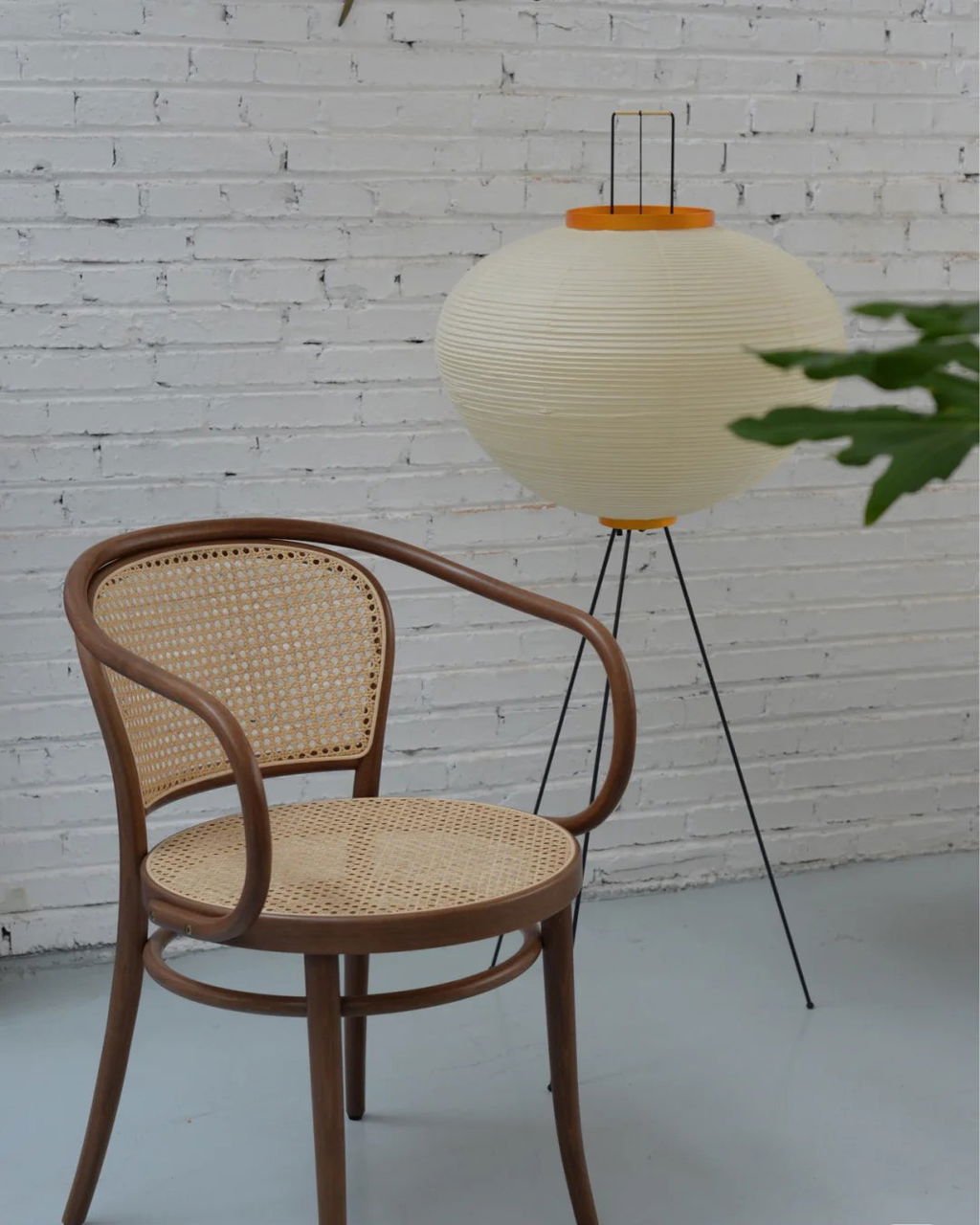
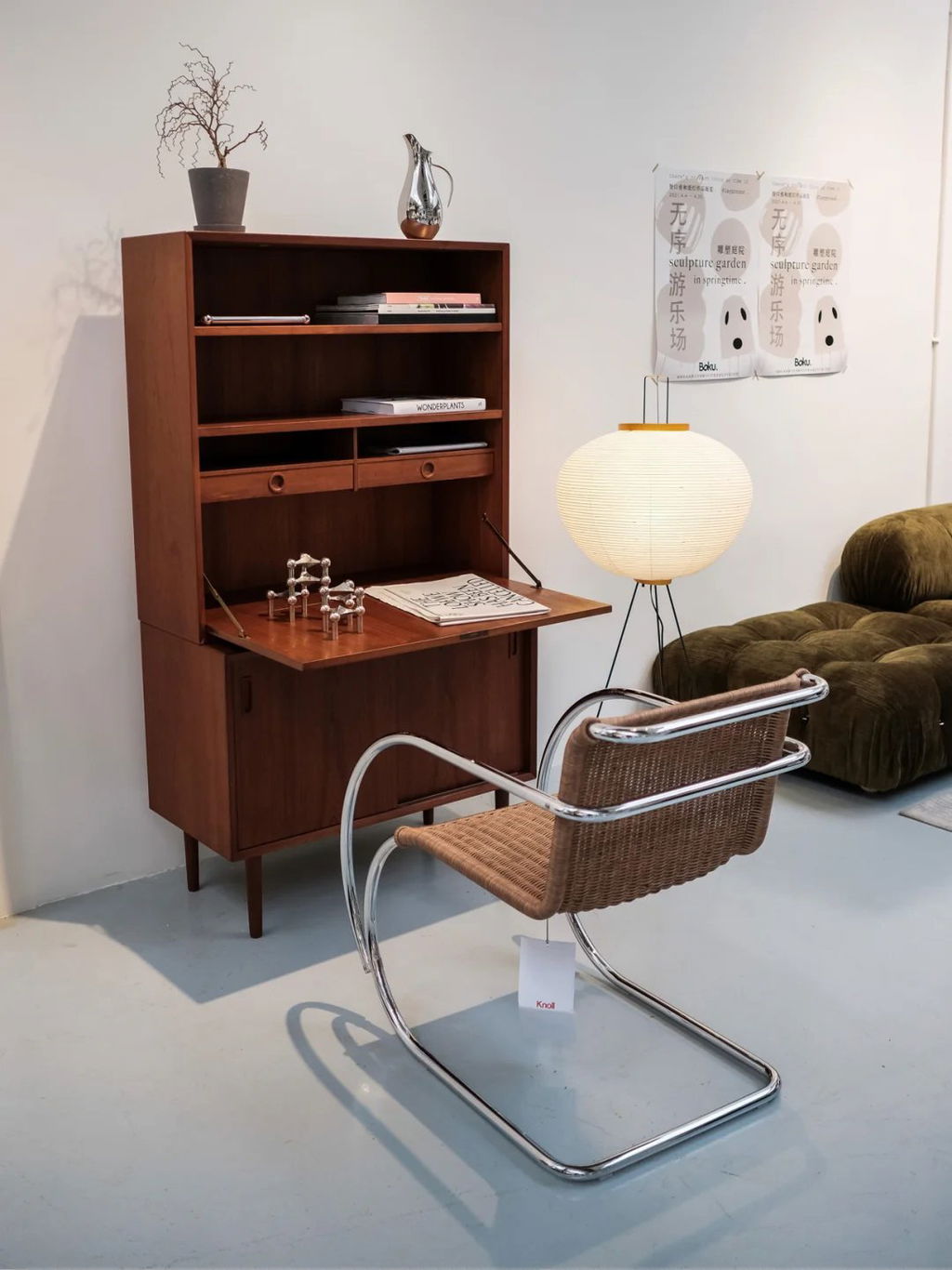
    Kozo · Mulberry Mitsumata Gampi Bamboo Frame Hand-Formed Sun-Dried
    · Revered for its beauty and durability, washi has long graced calligraphy, origami, architectural shoji screens, and festival lanterns — reflecting Japan's rich cultural heritage and refined aesthetic sensibility. Of Paper, Light, and Cultural Elegance — this is a tradition of making that has endured because it cannot be improved upon. Only practised, inherited, and passed forward.
    Complete washi paper production process — 6 stages from raw fibre to finished sheet
    Paper · Light · Craft Paper of Light,
    Art of Serenity
    From fibre to finished glow — every stage of a paper lantern's creation is guided by trained hands, quiet focus, and generations of inherited knowledge.
    01

    Fibre Selection & Preparation

    Raw kozo bark is stripped, boiled in ash-lye, and hand-washed to reveal pure, long-strand fibres ready for papermaking.

    02

    Sheet Formation

    Fibres are beaten into pulp and suspended in water. A bamboo screen is dipped through the suspension, capturing an even, translucent layer of future paper.

    03

    Drying & Finishing

    Sheets are carefully pressed and sun-dried on wooden boards. The result: paper of singular softness, strength, and warm translucency.

    04

    Frame Building & Wrapping

    A bamboo or wood armature is assembled by hand. Washi sheets are layered, stretched, and shaped around the frame to form the lantern.

    05

    Hand-Painted Motifs

    Artisans apply traditional patterns — brushstrokes of ink, botanical motifs, geometric forms — directly onto the washi surface. No two are identical.

    Artisan applying hand-painted motifs to washi lantern
    Detailed brushwork — ink and washi paper
    Applied by Hand, One Stroke at a Time Washi Lantern Making:
    An Illuminated Tradition
    Each motif painted onto the lantern surface carries centuries of artistic convention — and the quiet confidence of an artisan who has made this gesture a thousand times before.
    Artisan painting pattern on washi lantern
    Hand-Painted Motifs
    Detailed brushwork on washi paper lantern
    Ink & Washi · A Living Surface
    Washi lantern glowing with warm diffused light
    Handcrafted Light · Tranquil Glow More Than Décor —
    A Presence
    When illuminated, a washi lantern does not just light a room. It transforms it — casting a warm, diffused glow that settles the air, softens the shadows, and invites a slower pace.

    "Long associated with festivals, meditation, and peaceful living, these lanterns are more than just décor — they are a gentle celebration of harmony and timeless beauty."

    Paper Lantern Series · Inspired by Japanese Craft · Vakkerlight

    We Promise!

    Safety Certifcation

    Compliant with North America, Australia, Europe Certification.

    Return Policy

    A 60-day return policy is available for all purchases.

    Ship Insurance

    Lost or damaged packages receive a full refund or replacement.

    Efficient LED Tech

    Energy-efficient LED technology for sustainability and savings.


    Visualizzati di recente

    You may also like

    Elevate any room instantly.

    Daily Discount

    Discover lighting that transforms every corner into a cozy retreat.
    Shop All